
 Multiple Faces Detected



 April 4th, 2026
Romance scams do not discriminate. They target people of every age, background, and level of online experience, and the most sophisticated operations are specifically designed to exploit the people who are least likely to suspect them. Caroline’s story is one of the most important examples of how these scams work, how long they can go undetected, and what it actually takes to uncover the truth.
The Social Catfish investigation team documented her case, and what they found is something every family with an elderly parent or grandparent online needs to read.
Name Search Examples
To get more accurate results, enter the full name including at least First name, Middle name and Last name.
Email Search Examples
Phone Search Examples
Username Search Examples
Address Search Examples
Start typing the initial part of the address and select from the addresses given dropdown afterward.
We Respect Your Privacy.
Who Is Caroline — and How Did It Start
Caroline is an 82-year-old woman who, like millions of people, uses Facebook to stay connected. About a year before the investigation began, she started communicating with a man who called himself Richard, a charming, attentive man who claimed to be an engineer working offshore in Dubai.
Richard was consistent. He messaged regularly, expressed deep affection quickly, and built what felt to Caroline like a genuine relationship over months of daily contact. The emotional investment was real on her side, even if everything on his side was fabricated.
This is the foundation of every romance scam: time. Scammers invest weeks and months specifically because the longer the relationship feels real, the harder it becomes to question it and the more difficult it is to hear the truth when it arrives.
How the Scheme Unfolded
Once trust was established, the requests began. Richard told Caroline he had been imprisoned in Dubai, accused of possessing gold bars, and urgently needed money to cover legal fees and bail. The story created exactly the emotional combination scammers rely on: fear for someone you care about, urgency that prevents careful thinking, and a sense that you are the only person who can help.
The requests did not stop at one payment. They escalated. Each resolution led to another crisis, another fee, another reason why release was just out of reach. This cycle, sometimes called the “drip method,” is designed to extract money over an extended period while keeping the victim emotionally invested in an outcome that never arrives.
Caroline had been sending money to cover these supposed costs. She had also, the investigation revealed, been sending money to multiple different individuals, likely all members of the same criminal syndicate operating under the coordinated fiction of “Richard.”
What the Investigation Found
When the Social Catfish team began investigating, they uncovered several layers of deception that are now common features of sophisticated romance scams.
Stolen Photos
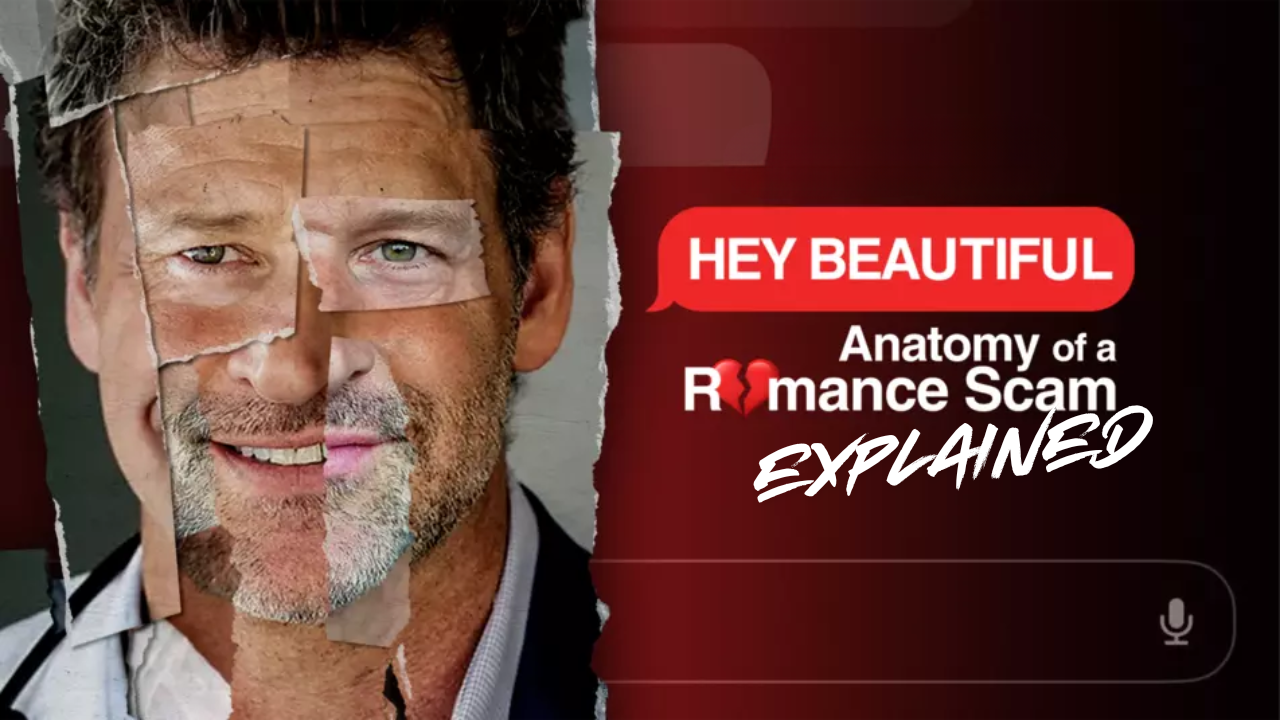
The photos Richard had been sending Caroline did not belong to him. The investigation identified that the images were stolen from real individuals, including an attorney named Benny Austoto Jr., whose likeness had been appropriated to build a believable persona. The real person had no knowledge that their photos were being used to defraud vulnerable people.
This is a standard tactic. Scammers search for photos of professional-looking, trustworthy-appearing individuals and construct entire false identities around them.
AI-Generated Images
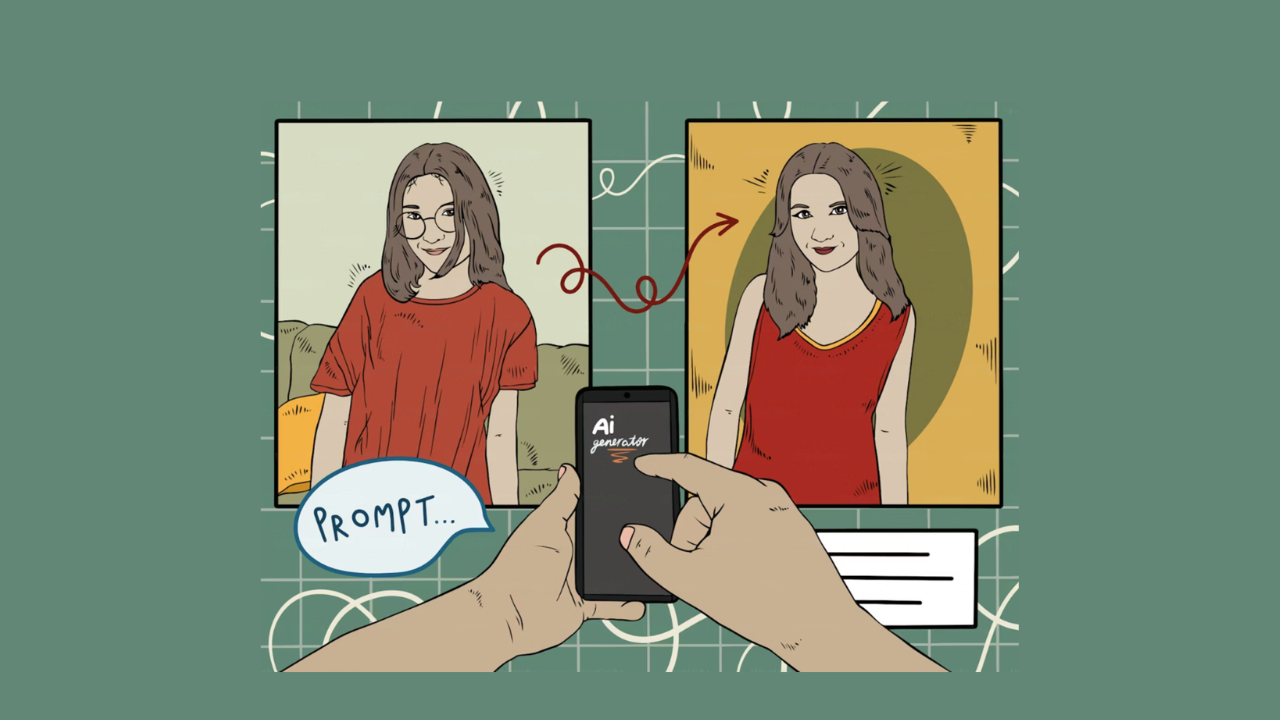
Beyond stolen photos, the scammer was also sending AI-generated images of fabricated pictures of “Richard” appearing injured or distressed inside a prison environment. These images were designed specifically to trigger Caroline’s sympathy and fear, making the requests for money feel more urgent and emotionally justified.
In 2026, AI-generated imagery has become a standard tool in romance fraud operations. Images that would have been obviously fake a few years ago now look convincing enough to deceive people who have no reason to question what they are seeing from someone they trust.
IP Tracking Confirms the Location
The team sent a link to the scammer that contained an IP tracker. When the scammer clicked it, the tracker confirmed his actual location: Lagos, Nigeria, not Dubai, not a prison, not anywhere close to the story he had been telling Caroline for a year.
This single piece of technical evidence collapsed the entire narrative Richard had constructed.
Telling Caroline the Truth
Delivering the truth to someone who has invested a year of emotional energy and significant money into a relationship they believed was real is not a simple conversation. It is one of the most delicate and important moments in any investigation like this.
The Social Catfish team worked carefully to help Caroline understand what had actually happened, presenting the evidence clearly without being dismissive of the emotional reality she had been living. The result was that Caroline blocked the scammers, a significant and necessary step, but also a genuinely painful one.
Her son Michael was also involved in the process. The team guided how to support his mother through the emotional aftermath because the loss in a romance scam is not only financial. The grief of realising a relationship was fabricated, that the person you cared about never existed, is its own form of trauma that family members need to be prepared to support.
The Warning Signs Caroline’s Story Reveals
Every element of this case reflects tactics that are used across thousands of romance scams operating right now. These are the specific red flags the investigation highlighted.
They fall in love extremely quickly. Genuine relationships develop at a natural pace. A person who expresses deep affection or love within days or weeks of first contact, particularly someone you have never met in person, is following a script designed to accelerate emotional attachment before you have time to think critically.
They ask for money to be sent to people you have never met. Caroline was directed to send money to multiple individuals as part of the “legal fees” narrative. Any request to transfer money via wire transfer, gift cards, cheques, or cryptocurrency to someone you have only known online is a clear signal to stop and verify before doing anything else.
Stories involving foreign jails, legal trouble, or bank issues. The offshore engineer imprisoned for gold bars is one variation of a story template used consistently across romance scams. The details change, oil rigs, military deployments, business trips gone wrong, but the structure is always the same: a plausible reason for being unavailable in person, followed by a crisis requiring financial help.
They use AI-generated or stolen photos. Running a reverse image search on any photo sent by someone you have only met online costs nothing and takes seconds. If the image appears elsewhere under a different name or surfaces nowhere at all, suggesting it was AI-generated, that is critical information before the relationship goes any further.
How to Protect the People You Love
Caroline’s case is not unusual. Romance scams cost Americans over a billion dollars every year, and older adults are disproportionately targeted not because they are less intelligent, but because they are often more trusting, more isolated, and managing grief or loneliness, which makes connections feel especially valuable.
If you have an elderly parent, grandparent, or friend who is active on social media or dating platforms, these are the conversations worth having:
- Talk openly about romance scams and how they work without making the person feel foolish for being a potential target
- Encourage them to run a reverse image search on anyone they meet online before the relationship develops
- Establish a family agreement that any request for money from an online contact gets discussed with a family member before anything is sent
- Know the warning signs so that if something sounds familiar, you can ask the right questions early
If someone you know is already in contact with a person who matches these patterns, Social Catfish allows you to run a reverse image search, phone number lookup, or full identity check on the person they are communicating with privately, without the contact ever knowing a search was run. The results can provide the evidence needed to have the conversation before any more money is sent.
Top 5 FAQs About Romance Scams
Strong feelings expressed very quickly, an inability to meet in person, and any request for money are the clearest signs. If something feels off, verify their identity before the relationship goes any further.
Approach gently and without judgment. Present evidence calmly rather than as an accusation. The emotional attachment feels real to them even if the relationship is not. Consider involving a counsellor if they are resistant to hearing the truth.
Yes. Report to the FTC at reportfraud.ftc.gov and the FBI’s Internet Crime Complaint Center at ic3.gov. Include screenshots, usernames, phone numbers, and any payment details to give investigators the best chance of acting.
Run their photo through a reverse image search and search for any contact details they have given you. If their identity cannot be verified through any public source, treat the relationship with serious caution before anything further develops.
Contact your bank immediately. The sooner you act, the better. File complaints with the FTC and IC3. Recovery is difficult, but acting quickly gives you the best possible chance of limiting further loss.
Conclusion
Caroline’s story ended with the truth. She blocked the scammers, understood what had happened, and had her family around her as she processed it. That is the best possible outcome, and it only happened because someone investigated before the situation went further.
Not every story ends that way. Many people send money for months or years without ever finding out the person they trusted does not exist. Many families only discover what happened after the financial damage is irreversible.
The tools to check exist. The warning signs are documented. The pattern is consistent enough that anyone who knows what to look for can spot it if they look before it is too late.
If something about an online relationship feels off for you or for someone you care about, run the search. The truth is almost always accessible. And it is always worth knowing.
Name Search Examples
To get more accurate results, enter the full name including at least First name, Middle name and Last name.
Email Search Examples
Phone Search Examples
Username Search Examples
Address Search Examples
Start typing the initial part of the address and select from the addresses given dropdown afterward.
We Respect Your Privacy.
Disclaimer: This article is based on a documented Social Catfish investigation and is intended for educational and awareness purposes. If you believe you or someone you know is the victim of a romance scam, stop all financial transfers immediately and file a complaint with the FTC at reportfraud.ftc.gov and the FBI’s Internet Crime Complaint Center at ic3.gov.