
 Multiple Faces Detected



 April 22nd, 2026
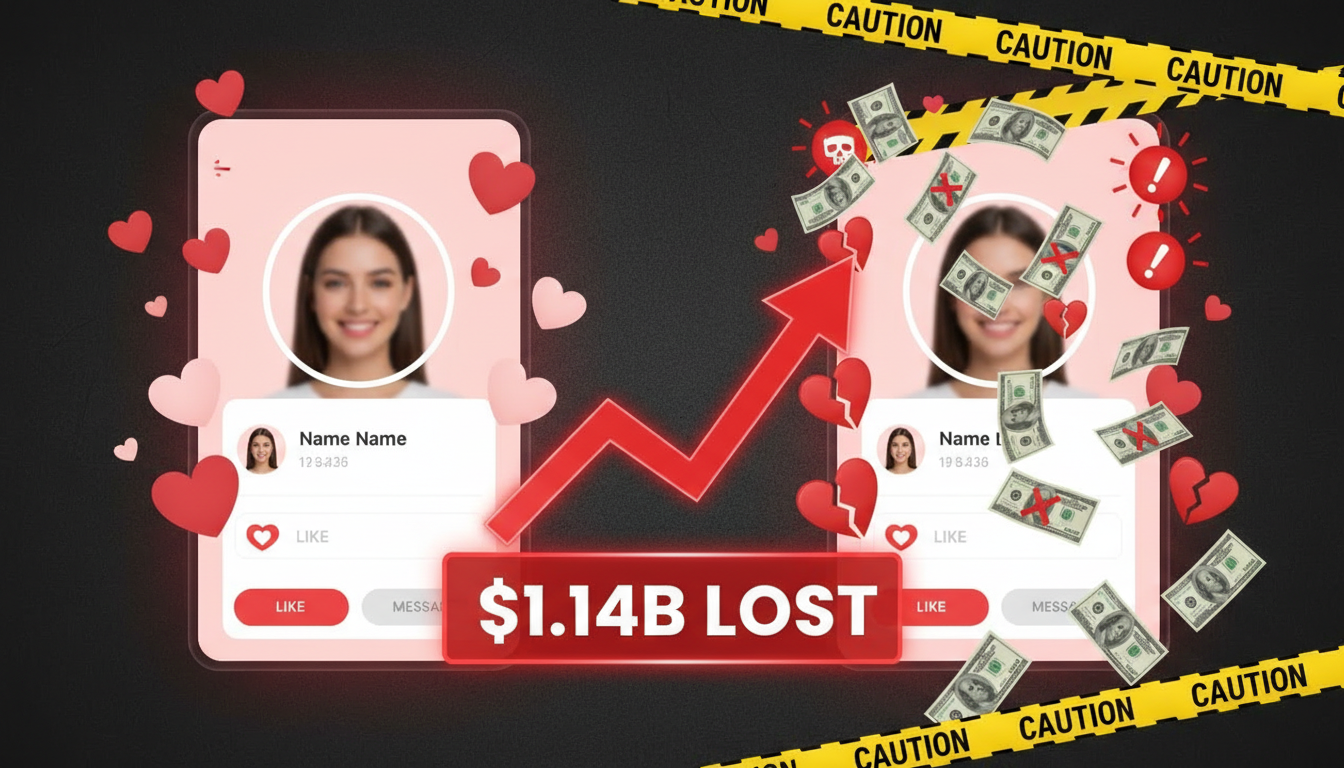
One in seven American adults has lost money to an online dating or romance scam, and of those, only one in four recovered anything. Romance scams cost US victims over $1 billion in 2024 alone, with a median individual loss of $2,000. In 2026, the threat is more sophisticated than ever: AI-generated personas, deepfake video calls, and automated scripts have made scammers faster, more convincing, and harder to detect than at any point before.
The most effective protection is knowing what each scam looks like before you encounter it. This guide covers the ten most common online dating scams in 2026, how each one works, the red flags that reveal it, and what to do if you think you are in one. If you want to verify someone you met online before trusting them further, Social Catfish’s reverse search tools confirm whether a profile, photo, phone number, or email connects to a real person.
Name Search Examples
To get more accurate results, enter the full name including at least First name, Middle name and Last name.
Email Search Examples
Phone Search Examples
Username Search Examples
Address Search Examples
Start typing the initial part of the address and select from the addresses given dropdown afterward.
We Respect Your Privacy.
1. Catfishing — Fake Identity Profiles
How it works: A scammer creates a false identity using stolen photos, typically from an Instagram model, influencer, or military personnel profile, and uses that identity to build a relationship. The fake persona is usually attractive, successful, and emotionally attentive. Everything about the profile is fabricated: name, job, location, backstory.
Catfishing is the foundation of most other dating scams on this list. The fake identity is the vehicle, and the specific scam (financial fraud, sextortion, investment fraud) is the destination.
Red flags:
- Photos look professionally taken in every single shot
- Reverse image search finds the photos under a different name
- They have no mutual connections and minimal social media history
- They are unusually attentive and complimentary from the very first message
What to do: Run a reverse image search on their profile photo using Social Catfish before investing emotionally. If the photos belong to someone else, you have your answer.
2. Romance Scam — The Long Con
How it works: The romance scam is the most financially devastating scam on dating platforms. A scammer, usually operating within an organised fraud group, builds a genuine-feeling relationship over weeks or months. They are consistent, emotionally available, and deeply interested in you. Then a crisis arrives: a medical emergency, a business problem, a travel situation. We present the financial request as a story that makes helping feel like the natural expression of the relationship you have built.
Losses to romance scams are larger than any other fraud category because victims are emotionally invested before the financial element appears. The relationship feels real because the scammer has spent real time building it.
Red flags:
- Emotional intensity that escalates unusually fast
- They cannot meet in person — always traveling, working abroad, or in a difficult situation
- They refuse or avoid video calls
- A financial crisis eventually arises regardless of how the relationship started
What to do: Run their phone number and any contact details through Social Catfish before the relationship develops further. A genuine person has a verifiable identity. Never send money to someone you have not met in person.
3. Pig Butchering — Fake Investment Fraud
How it works: Pig butchering, named after the practice of fattening livestock before slaughter, is a sophisticated long con that combines romance scamming with cryptocurrency investment fraud. It often begins with a wrong number text or a dating app match with an unusually attractive and financially successful person.
The scammer builds trust over weeks before casually mentioning an investment opportunity, usually cryptocurrency, on a platform they control. They show you fabricated returns. You invest small amounts at first, see impressive gains, and invest more. When you try to withdraw, the platform applies fees, taxes, or restrictions. Then it disappears entirely, along with all your money.
Red flags:
- A stranger contacts you out of nowhere and is unusually warm and persistent
- They mention investment opportunities, cryptocurrency, or financial freedom relatively early
- They show you impressive-looking returns on a trading platform you have not heard of
- Withdrawing your money triggers unexpected fees or restrictions
What to do: Never invest money in a platform recommended by someone you met online and have not verified in person. Run their contact details through Social Catfish immediately if investment has been mentioned.
4. Sextortion — Photo and Video Blackmail
How it works: Sextortion on dating platforms follows a consistent pattern. A scammer often uses a fake, attractive profile to build a flirtatious connection and steers the conversation toward the exchange of intimate photos or video. Once they have explicit material, the tone changes immediately: pay up, or the images go to your family, employer, and social media contacts.
The threat is designed to create panic that overrides rational thinking. Scammers often have enough publicly available information about the victim from their dating profile, social media, or a quick public records search to make the threat feel credible.
Red flags:
- The conversation moves toward explicit content very quickly
- They share unsolicited intimate images to normalise the exchange
- They ask you to move to a different platform for “more privacy”
- After receiving images, their tone changes entirely
What to do: Never send intimate images to someone you have not verified and met in person. If you are being extorted, do not pay. Payment confirms you will pay again. Report to the FBI’s Internet Crime Complaint Center at ic3.gov and to the platform immediately.
5. Military Romance Scam
How it works: Military romance scams use the identity of US or foreign military personnel, typically claiming to be deployed overseas, to build a relationship that explains unavailability, inability to meet, and need for financial help. The military identity carries authority and sympathy simultaneously: the person is trustworthy by nature of their service, and their difficult circumstances justify why they cannot video call, meet, or access their own funds easily.
Common requests include help with travel fees to come home, medical emergencies abroad, or phone or internet costs to maintain contact.
Red flags:
- Claims to be military personnel stationed overseas with no return date
- Cannot video call due to “security restrictions” real military personnel can and do video call
- Asks for money for travel, communication, or medical costs
- Asks you to send money via gift card, wire transfer, or cryptocurrency
What to do: The US military has specific resources for verifying service member identities. Run their photos through Social Catfish’s reverse image search. Military scammers almost always use stolen photos of real service members.
6. AI-Generated Profile Scam
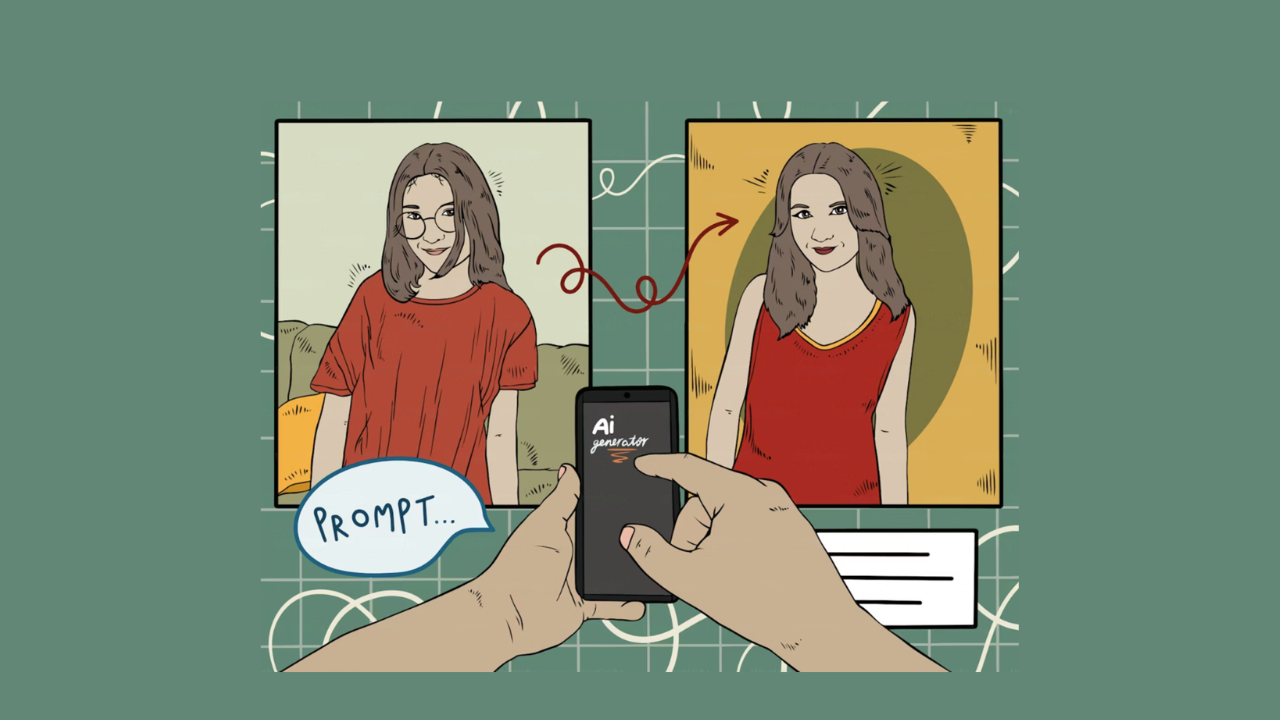
How it works: AI-generated dating profiles are the fastest-growing scam category in 2026. Scammers use AI image generators to create photorealistic profile photos of people who do not exist, bypassing reverse image search because the face has never appeared anywhere online. They combine AI-generated photos with AI-assisted conversation scripts that respond naturally, maintain consistency across long conversations, and adapt to what the target says.
Less than half of online daters can tell the difference between a real dating profile photo and an AI-generated one, a statistic scammers are actively exploiting.
Red flags:
- Photos are flawless but return no results in a reverse image search
- Conversation responses feel slightly generic or too perfectly calibrated
- They are always available and always responsive at any hour
- They refuse live video calls — AI cannot yet reliably fake a live, unscripted video conversation
What to do: Request a live, spontaneous video call. Ask them to wave, hold up a specific number of fingers, or say a specific phrase in the moment. AI deepfakes struggle with specific real-time requests. Run their contact details through Social Catfish alongside the image search.
7. Fake Dating Site Scam

How it works: Some scam operations run entire fake dating platforms websites designed to look like legitimate dating apps but populated primarily with bots and paid fake profiles. Users sign up, often lured by promises of a large local user base or guaranteed matches, and find themselves spending money on credits or subscriptions to communicate with profiles that are entirely fabricated.
Other fake dating site scams involve legitimate-looking sites that harvest personal information during sign-up, such as name, address, phone number, and date of birth, which is then sold to data brokers or used for identity theft.
Red flags:
- The site appeared via a spam email or aggressive ad rather than organic discovery
- Every match seems unusually attractive and immediately interested
- Messages arrive from matches before you have done anything on the platform
- The site requires credits or payments to read or reply to messages
- Privacy policy or terms of service are vague or non-existent
What to do: Research any dating platform before creating an account. Check Trustpilot, the Better Business Bureau, and Reddit for user experiences. Use a dedicated email address and avoid providing your real phone number during sign-up on platforms you are not familiar with.
8. Phishing and Malware Link Scam
How it works: Dating app phishing scams involve a match who moves the conversation toward sending you a link, to photos, to a different platform, to a video, or to what they describe as their “real” profile. The link either leads to a phishing page designed to steal your login credentials or downloads malware to your device.
These scams are often quick; the scammer has no interest in building a long relationship and moves to the link request relatively early.
Red flags:
- They suggest moving to a different platform and send you a link to register
- They send a link to photos, a video, or their “other” profile early in the conversation
- The link domain looks slightly off — subtle misspellings or unusual extensions
- They are evasive about basic personal questions but push hard for you to click the link
What to do: Never click links from dating app matches before verifying their identity. If you clicked a link, run a security scan on your device and change your dating app password immediately.
9. Money Mule Recruitment Scam
How it works: Some dating scams are not designed to take money from the victim; they are designed to use the victim to move money stolen from others. After building a romantic relationship, the scammer asks the victim to receive money in their bank account and transfer it elsewhere, framing it as a favour or as part of a business arrangement. The victim is unwittingly laundering money from other fraud victims.
Participating even unknowingly can result in bank account closure, civil liability, and in serious cases, criminal charges.
Red flags:
- They ask you to receive money in your account and transfer it somewhere else
- They frame it as helping them with a business situation or international transfer problem
- The amounts are large and the story explaining why they cannot handle it themselves is complicated
- They are evasive when you ask direct questions about the money
What to do: Never receive or transfer money on behalf of someone you have not met in person and independently verified. Report to the FBI at ic3.gov if you have already participated. Cooperation is treated more favourably than concealment.
10. Inheritance / Sudden Wealth Scam
How it works: A variant of the romance scam specifically targeting people who might help a wealthy person move money. The scammer claims to have access to a large inheritance, business windfall, or frozen asset that they cannot access directly due to legal or logistical complications. They need your help and your bank account to unlock it, and they will share a percentage with you.
This is the advance fee fraud (419 scam) model adapted for dating platforms. The victim is asked to pay upfront fees, taxes, or legal costs to unlock funds that do not exist.
Red flags:
- They mention significant wealth but an obstacle preventing them from accessing it
- They need your help to move or access funds
- There are fees required before you receive your share
- The story involves lawyers, bank officials, or government agencies who need payment
What to do: This is always a scam. No legitimate inheritance or business transaction requires a stranger’s bank account. Block and report immediately.
How to Verify Anyone You Meet Online
Before trusting someone you met on a dating platform with your emotions, personal information, or money, run at least one of these checks through Social Catfish:
Reverse image search their profile photo. This is the single most effective check. Upload their photo to Social Catfish, and it scans billions of images across social media, dating platforms, and public websites. If the photo belongs to someone else, you know immediately. If it returns no results at all, increasingly common with AI-generated faces, that is itself a warning sign.
Search their username. Most people reuse usernames across platforms. Social Catfish searches a username across every major social network and dating platform simultaneously, surfacing the full identity behind it.
Reverse phone search their number. If they gave you a phone number, Social Catfish confirms whether it is registered to a real identity that matches what they told you, or flags it as a VoIP, burner, or mismatched number.
Search their email. A reverse email search confirms what accounts and platforms are linked to an address, surfacing any inconsistencies between what they told you and what the email is actually connected to.
Universal Red Flags Across All Dating Scams
Regardless of which scam type you encounter, these signals appear consistently:
- They refuse or avoid video calls always with a plausible excuse
- Emotional intensity escalates unusually fast for the length of the relationship
- They cannot meet in person always traveling, working abroad, or in a complicated situation
- A financial request eventually appears regardless of how the relationship started
- Their story has small inconsistencies that appear when you compare details across conversations
- They push to move off the dating platform to WhatsApp, Telegram, or email very quickly
- Reverse image search finds their photo under a different name
FAQ
The most reported categories are romance scams, catfishing, pig butchering, cryptocurrency investment fraud, AI-generated profile scams, and sextortion. Romance scams remain the highest-loss category with over $1 billion in US victim losses in 2024.
Run a reverse image search on their profile photo, search their username across platforms, and if they have given you contact details, run a reverse phone or email search through Social Catfish. A genuine person has a verifiable, consistent identity across multiple platforms.
Yes, but be aware that deepfake technology is advancing. Request spontaneous, real-time actions during the call: ask them to wave, hold up fingers, or say a specific phrase in the moment. Pre-recorded deepfakes cannot respond to live requests.
Stop all payments immediately. Contact your bank or payment provider as quickly as possible. The sooner you report, the better your chances of any recovery. Report to the FTC at reportfraud.ftc.gov and to the FBI at ic3.gov. Document all communication before reporting.
Report to the dating platform directly using their built-in reporting tools. Report to the FTC at reportfraud.ftc.gov. For significant financial losses, report to the FBI at ic3.gov. If the scammer is impersonating a military member, report to the Army Criminal Investigation Command.
Yes. Upload their profile photo to Social Catfish’s reverse image search, or enter their name, username, phone number, or email into the reverse search tools. Social Catfish searches across social media, dating platforms, and public records to confirm whether the identity is genuine or fabricated.
Conclusion
Online dating scams in 2026 are more sophisticated, more convincing, and more financially damaging than at any previous point. AI-generated profiles bypass traditional detection methods. Pig butchering operations run for months before the financial ask. Deepfake technology is making video verification less reliable than it used to be.
The most reliable protection remains what it has always been: verify before you trust. Before you share personal information, develop real feelings, or send a single dollar to someone you met online, run their photo, username, and contact details through Social Catfish. A genuine person will check out. A scammer will not, and knowing that early is always better than finding out later.
Name Search Examples
To get more accurate results, enter the full name including at least First name, Middle name and Last name.
Email Search Examples
Phone Search Examples
Username Search Examples
Address Search Examples
Start typing the initial part of the address and select from the addresses given dropdown afterward.
We Respect Your Privacy.