
 Multiple Faces Detected


 March 30th, 2026
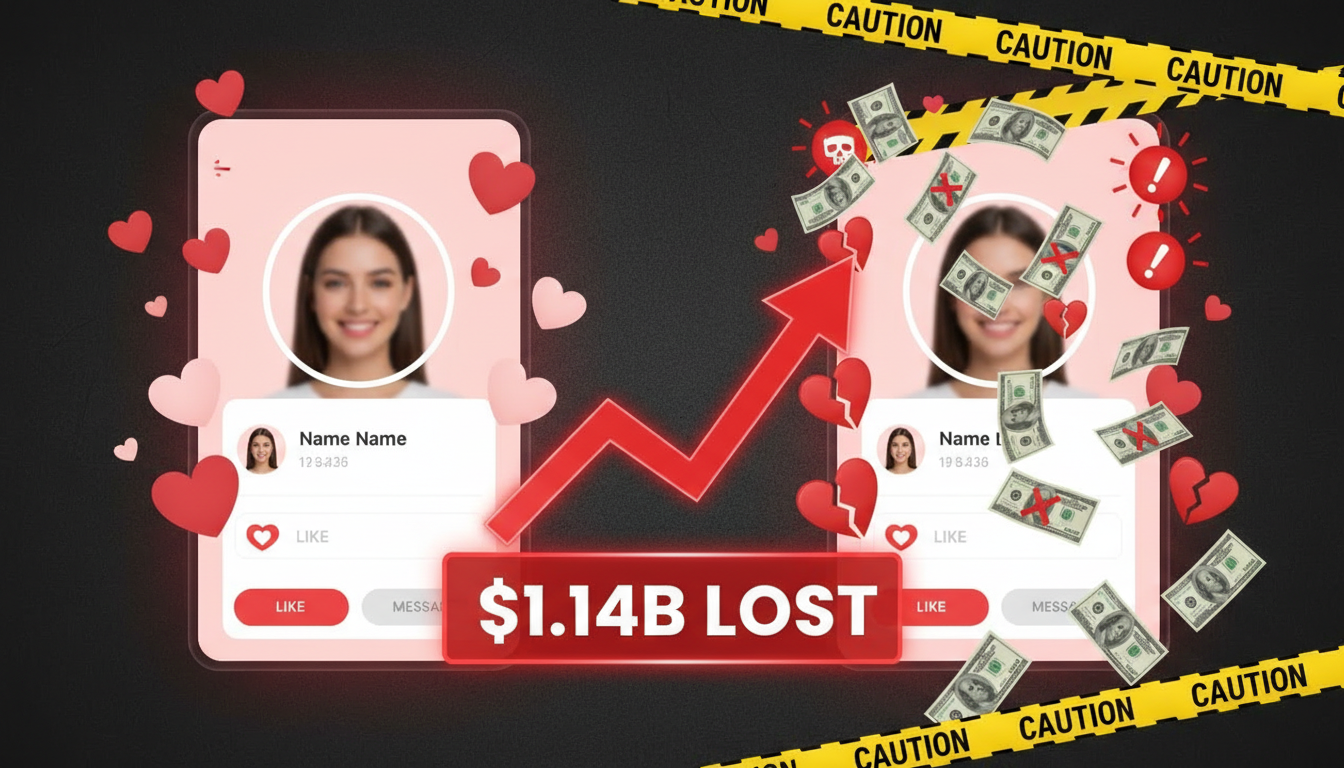
You matched with someone, and something about their photo just feels off. Not obviously fake, not a blurry screenshot or a stock image watermark, just something you cannot quite put your finger on. The lighting is a little too clean. The face is a little too symmetrical. Everything looks right, but somehow nothing looks real.
That instinct is worth paying attention to. A fake dating profile photo is now one of the primary tools scammers use on Tinder, Bumble, and Hinge, and knowing how to spot AI photos on dating apps before you invest time or trust in someone could save you from a scam that costs far more than a bad date.
This article gives you the seven most reliable visual signs to check, explains why your instincts alone are no longer enough, and tells you exactly what to do when something looks off.
Name Search Examples
To get more accurate results, enter the full name including at least First name, Middle name and Last name.
Email Search Examples
Phone Search Examples
Username Search Examples
Address Search Examples
Start typing the initial part of the address and select from the addresses given dropdown afterward.
We Respect Your Privacy.
Why Scammers Use AI-Generated Photos on Dating Apps
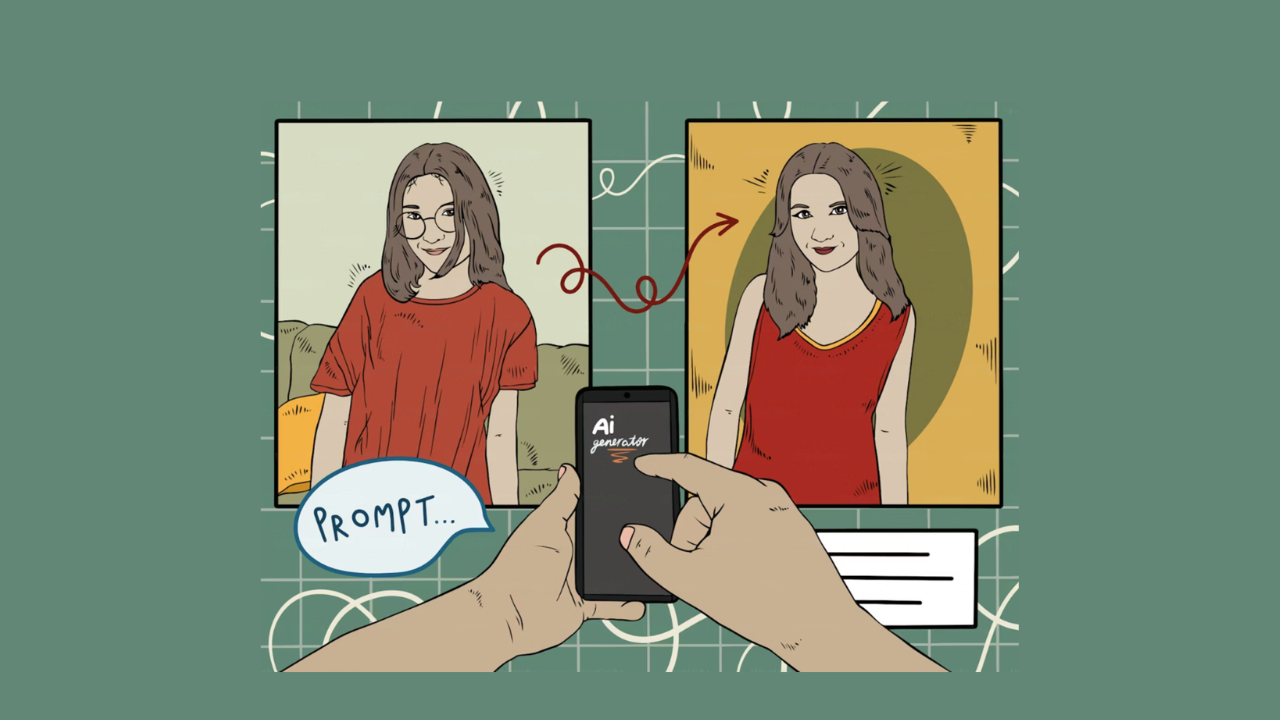
Traditional catfishing relied on stealing real photos from other people’s social media accounts. The problem for scammers was that those stolen photos could be caught with a reverse image search. AI-generated photos solve that problem entirely. They are unique, original images that have never appeared anywhere online before, created in seconds, and designed to look like a completely real person who does not exist.
Bumble recognised this shift and introduced a dedicated reporting option specifically for AI-generated profile photos and videos, a category that did not exist until the problem became significant enough to require its own classification. On Tinder and Hinge, AI-generated photos are increasingly common in accounts being used for romance scams, investment fraud, and identity harvesting, and the people behind them are counting on you not being able to tell.
The good news is that despite how sophisticated these images have become, they still leave traces. You just need to know where to look.
The 7 Signs a Dating Profile Photo May Be AI Generated
Sign 1: The Skin Looks Too Perfect
Real skin has pores, fine lines, subtle colour variation, and the kind of minor imperfections that come from being an actual human being. AI-generated skin tends to look smoothed to an unnatural degree, not filtered, but plasticky. It has a quality that is hard to name but easy to feel once you are looking for it.
Zoom into the cheeks, forehead, and neck area. If the texture looks uniform and flawless across the entire face with none of the natural variation real skin shows, that is worth flagging.
Sign 2: The Eyes Do Not Quite Match
AI-generated eyes are one of the most consistent giveaways, but they require close attention. Look for catchlights, the small reflections of a light source that appear in real eyes. In AI-generated photos, catchlights are often inconsistent between the left and right eye, reflecting different imaginary light sources, or missing entirely. The pupils may not be perfectly circular. The eyes may look overly shiny or slightly hollow in a way that is difficult to explain but unmistakable once you see it.
Sign 3: The Ears, Hair, and Jawline Blur at the Edges
Early AI images were notorious for mangled ears, and while the technology has improved significantly, the edges of the face are still where AI generation most frequently breaks down. Look at where the hair meets the skin, where the ears attach to the head, and where the jawline meets the neck. Softness, blurring, or an oddly seamless blend in these areas is a reliable signal that the image was generated rather than photographed.
Sign 4: The Hands Are Wrong
Hands remain the most consistent failure point across all AI image generation. If the photo includes hands, look closely. Extra fingers, missing fingernails, fingers that merge, joints that bend at the wrong angle, or proportions that look slightly off are all signs of AI generation. AI systems have no underlying understanding of how hands actually work; they model from training data, and hands are complex enough that errors appear regularly.
Sign 5: The Background Has Subtle Inconsistencies
AI-generated images often produce subjects that look convincing while the background quietly falls apart. Look for objects that repeat unnaturally, straight lines like door frames or shelving that warp slightly, patterns in fabric or wallpaper that fail to tile correctly, or areas where background elements seem to bleed into the subject’s hair or clothing. Real photographs have coherent backgrounds because they are taken in real places. AI images do not always manage that coherence in the peripheral areas of the frame.
Sign 6: The Photo Looks Too Perfect to Be Candid
Real dating profiles contain real photos, slightly awkward angles, imperfect lighting, and genuine moments. AI-generated profiles tend to look like professional shoots, with ideal lighting, ideal composition, and a face that is unusually symmetrical and geometrically average. Research published in 2026 found that AI-generated faces actually trend toward unusual averageness and symmetry, which makes them look appealing but slightly uncanny to anyone paying close attention.
If every photo in a profile has the same flawless, studio-quality aesthetic with no casual snapshots, group photos, or candid moments, that uniformity itself is a red flag.
Sign 7: There Is Only One Person in Every Photo
Real people have friends, family, events, and a life documented in their photos. AI-generated profiles almost always show a single person in isolation because generating coherent group photos with multiple realistic faces is significantly harder for current AI systems. Group shots reveal inconsistencies far more readily than solo portraits. If every single photo in a profile shows one person, alone, with no social context at all, treat that as a warning sign worth investigating further.
Why Your Eyes Alone Are No Longer Enough
It is worth being honest about something: the signs above will help you catch a significant portion of AI-generated photos, but not all of them. Research published in 2026 found that even people who consider themselves good at spotting fakes performed barely better than chance when tested against the most advanced AI face generation systems.
The visual cues many people rely on, distorted teeth, strange ears, blurred backgrounds, were reliable markers for older, cruder AI systems. The most advanced models used in 2026 have largely solved those obvious problems. What they still get wrong tends to be subtle: the edges, the hands, the background coherence, and the uncanny averageness of faces that look appealing but feel somehow frictionless.
This is why visual inspection should always be followed by a tool-based verification when something feels off.
What to Do When a Photo Looks Off
Knowing how to spot AI photos on dating apps visually is only part of the picture. If you have worked through the signs above and something still does not feel right, the next step is to run a verification check rather than continuing the conversation on instinct.
Social Catfish gives you several ways to do this:
- Reverse Image Search — upload the profile photo, and Social Catfish will cross-reference it against public profiles, social accounts, and known databases. Even if the image is AI-generated and has never appeared online before, the absence of any matching identity anywhere is itself a significant signal.
- Username Search — search the handle they are using across multiple platforms simultaneously. A genuine person typically has a consistent digital footprint. A scammer operating a fabricated AI persona usually does not.
- Email or Phone Lookup — if you have had any communication beyond the app, run their contact details. These can surface whether the identity they have presented matches anything in public records.
The search is completely private. The person you are checking will never know you ran it.
If the reverse image search returns nothing, their username exists nowhere else online, and the profile has no social footprint to speak of, that combination of absences tells you something important before you invest any more time or trust in the connection.
Conclusion
AI-generated profile photos are no longer easy to spot at a glance. The technology has improved to the point where even careful, attentive people regularly miss them, and scammers on Tinder, Bumble, and Hinge are using that to their advantage.
The seven signs in this article give you the best available framework for visual detection. But visual detection alone is not enough anymore. When something feels off about a profile photo, even if you cannot name exactly what, that instinct is worth acting on rather than explaining away.
Run the photo through Social Catfish. Check the identity behind it. A real person with genuine intentions will hold up to the search. An AI-generated profile built to deceive you will not.
Name Search Examples
To get more accurate results, enter the full name including at least First name, Middle name and Last name.
Email Search Examples
Phone Search Examples
Username Search Examples
Address Search Examples
Start typing the initial part of the address and select from the addresses given dropdown afterward.
We Respect Your Privacy.
Top 5 FAQs About AI Generated Dating Profile Photos
Look for skin that appears unnaturally smooth, eyes with inconsistent reflections, blurred or soft edges around the ears and hairline, hands with odd proportions or extra fingers, and backgrounds with subtle distortions.
A traditional reverse image search will not find a match for an AI-generated photo because the image has never appeared anywhere online before. However, running the photo through Social Catfish can still reveal whether the identity behind the profile exists anywhere in public records.
Yes. AI-generated profiles have become common enough that Bumble introduced a dedicated reporting category specifically for AI-generated photos and videos. Tinder and Hinge face the same problem, with AI-generated images increasingly used in accounts running romance scams and investment fraud.
Stolen photos can be detected with a reverse image search, which points back to the source and reveals the deception. AI-generated photos are unique images that have never appeared anywhere online, which means a basic reverse image search returns nothing, making them significantly harder to flag through traditional verification methods.
Do not continue the conversation while uncertain. Run the profile photo through Social Catfish’s reverse image search, search their username across platforms, and if you have contact details, run those too. If the identity behind the profile cannot be verified through any public source, treat the profile as fabricated and report it to the dating platform directly.