
 Multiple Faces Detected



 March 26th, 2026
Janelle from Maine thought she was planning a future with someone she loved. She believed she was engaged to a man named Chris Woods, a man she’d met online, spoken to regularly, and trusted completely. Over the course of their relationship, she sent him more than $30,000 in cash and gift cards to help him through a series of emergencies: a hurricane, a car accident that left him with two broken hands, and bail money after police arrested him for carrying cash in his car.
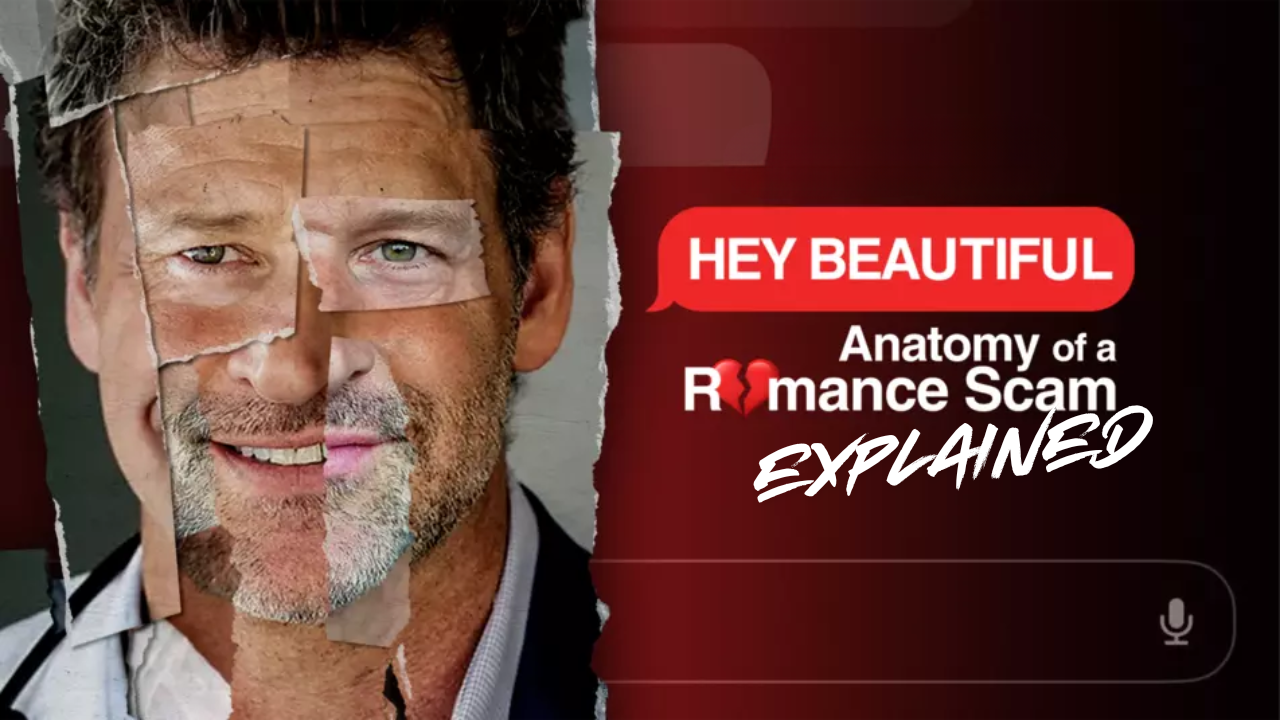
None of it was real. Chris Woods didn’t exist. The man in the photos was a Tennessee politician named Scott Sepiki, whose images had been stolen without his knowledge to build a convincing fake identity. The emergencies were scripted. The love was manufactured. And the money was gone.
This is the breakdown of what happened, how the scam worked, and what you need to know to recognize it before it reaches you.
If someone in your life is showing these same patterns, or if you want to verify whether a person you’ve met online is real, Social Catfish can run a reverse image search, phone lookup, or full identity check to confirm who you’re actually talking to.
Name Search Examples
To get more accurate results, enter the full name including at least First name, Middle name and Last name.
Email Search Examples
Phone Search Examples
Username Search Examples
Address Search Examples
Start typing the initial part of the address and select from the addresses given dropdown afterward.
We Respect Your Privacy.
Janelle’s Story: An Engagement That Was Never Real
Janelle met Chris Woods online. He was charming, attentive, and consistent. The relationship developed into what she believed was genuine love and eventually, an engagement. She trusted him enough to say yes to a future with him.
Then the emergencies started.
First, a hurricane. Chris needed money to get through it, and Janelle, believing she was helping her fiancé survive a natural disaster, sent what he asked for. Then a car accident. He’d broken both hands, he told her, and needed financial help while he couldn’t work. Then, an arrest police had allegedly stopped him for carrying a large amount of cash, and he needed bail money to get out.
Each emergency was plausible on its own. Together, they formed a pattern that romance scam investigators recognize immediately: escalating financial requests, each one justified by a crisis that creates urgency and appeals to compassion. Victims typically make multiple payments before recognizing they’ve been deceived. Research shows victims send an average of 11 payments per case before discovering the scam.
By the time Janelle reached out to Social Catfish, she had sent over $30,000 in cash and gift cards. She still believed Chris was real.
The Investigation: Four Things the Social Catfish Team Uncovered
The Photos Belonged to a Real Tennessee Politician
The first and most critical finding: the photos Janelle had been receiving of the face she associated with Chris Woods, the man she was engaged to, belonged to Scott Sepiki, a real Tennessee politician whose images had been taken from his public online presence without his knowledge or consent.
This is the foundational mechanism of most romance scams. More than half of Americans say they have been asked to send money or share financial information by a potential romantic partner online. The person making that request is almost always presenting a stolen identity using a real person’s photos to build the credibility that makes the emotional manipulation possible.
Scott Sepiki had no connection to the scam. He was a victim too of identity theft that he may not have even been aware of until the investigation surfaced it.
A Secondary Scammer and a Fake Air Force Commander
The investigation revealed the operation was more layered than Janelle knew. The person who had originally introduced Janelle to Chris, a contact named Tina, turned out to be a hacked account, likely a real person whose profile had been compromised and used as an introduction mechanism to make Chris seem more credible.
A third figure, “Agent Richard Weber,” had also been part of Janelle’s online world, presenting himself as an authority figure who could help. The investigation revealed that the photos used for Agent Richard Weber belonged to a real Air Force commander, stolen and repurposed for the same purpose: to manufacture legitimacy around the scam operation through multiple fake personas reinforcing each other.
This is a documented tactic in organized romance fraud, running multiple fake identities that interact with the victim to create the illusion of a broader, real social network around the scammer.
The IP Tracker Confirmed Lagos, Nigeria
Chris had told Janelle he was in New York. He’d also mentioned Vermont. The investigation used an IP tracker disguised as a bank link to confirm his actual location: Lagos, Nigeria, consistent with a significant portion of organized romance fraud operations that target Western victims.
The geography matters because it explains why the money couldn’t be recovered. These schemes involve crime rings typically located in West Africa and Southeast Asia, with victims unwittingly accepting funds that have been pooled from other victims before being shuttled into other accounts, laundering money for the organization. By the time a victim realizes what’s happened, the money has moved through multiple accounts across multiple jurisdictions and is essentially unrecoverable.
Gift Cards: The Preferred Payment Method
Janelle’s payments came in two forms: cash and gift cards. The gift card portion is particularly significant and worth understanding. Americans reported losing $212 million to gift card fraud in 2024. Scammers want gift cards because they’re an easy, anonymous way to steal money and are nearly impossible to track widely available, requiring no personal information, and difficult to trace.
The gift card request is one of the clearest red flags in any romance scam and one of the most commonly used precisely because victims don’t immediately recognize it as suspicious. Buying a gift card and reading the numbers over the phone feels like helping someone, not like sending untraceable money to a criminal in Nigeria.
No legitimate person, company, government agency, or romantic partner will ever request payment in gift cards. Ever. This is not a gray area.
How This Scam Was Built to Work
Janelle’s case follows a structure that’s been documented across thousands of romance scam investigations. Understanding the mechanics makes the pattern recognizable even when the specific details feel personal and unique.
The introduction through a trusted contact. Janelle was introduced to Chris through Tina, a contact she presumably already trusted. Using a hacked or fake intermediary to make the introduction adds credibility that a cold approach from a stranger wouldn’t have. It answers the unconscious question of “how did this person find me?” in a way that feels natural.
A stolen identity that looks legitimate. Scott Sepiki’s photos gave Chris Woods a real, specific, consistent face that appeared in multiple images and held up to casual scrutiny. Most people don’t reverse image search their romantic interests. The scam depends on that.
Escalating emergencies designed for compassion. A hurricane. Broken hands. An arrest. Each emergency is calibrated to trigger a specific emotional response: concern, sympathy, urgency, and to make not helping feel like abandonment. The progression from small requests to larger ones is deliberate: early compliance makes later compliance psychologically easier.
Multiple fake personas are creating false credibility. Chris, Tina, and Agent Richard Weber all played roles in the same operation. Having multiple apparent third parties reinforces the reality of the central scammer. It’s harder to question one person when other people seem to vouch for or interact with them.
Gift cards and cash for untraceability. The payment methods weren’t random. They were specifically chosen because they can’t be reversed, traced, or recovered.
Name Search Examples
To get more accurate results, enter the full name including at least First name, Middle name and Last name.
Email Search Examples
Phone Search Examples
Username Search Examples
Address Search Examples
Start typing the initial part of the address and select from the addresses given dropdown afterward.
We Respect Your Privacy.
The Red Flags That Were Present Throughout
Looking back at Janelle’s experience, the signals were there the same signals that appear in virtually every documented romance scam:
- Never meeting in person — there was always a reason Chris couldn’t be there
- A series of escalating financial emergencies — each one plausible, together forming an unmistakable pattern
- Gift card payment requests — one of the clearest documented red flags in romance fraud
- Multiple fake personas — Tina and Agent Weber reinforcing each other’s credibility
- Claimed location that didn’t match reality — New York and Vermont, when the IP confirmed Lagos
- Stolen photos — a face that belonged to a real person with no connection to the scam
- An engagement without an in-person meeting — six months, a year, however long, a real person who loves you finds a way to meet you
The average financial loss per romance scam victim is around $15,000, often representing life savings. Janelle lost twice that. And she’s far from alone.
What the Resolution Looked Like
The Social Catfish team successfully convinced Janelle to block both Chris and Agent Richard Weber permanently and stop sending money. At that moment, the decision to block and stop is harder than it sounds for someone who has spent months or years building an emotional attachment to a fabricated person.
The psychological reality of romance scam recovery is that victims aren’t just losing money. They’re losing a relationship they believed was real, a fiancé, a future, a person they loved. The grief is genuine even when the other person wasn’t. Acknowledging that reality is part of what the team’s approach does: treat the victim as someone who was manipulated, not someone who was foolish.
How to Verify Before It Gets This Far
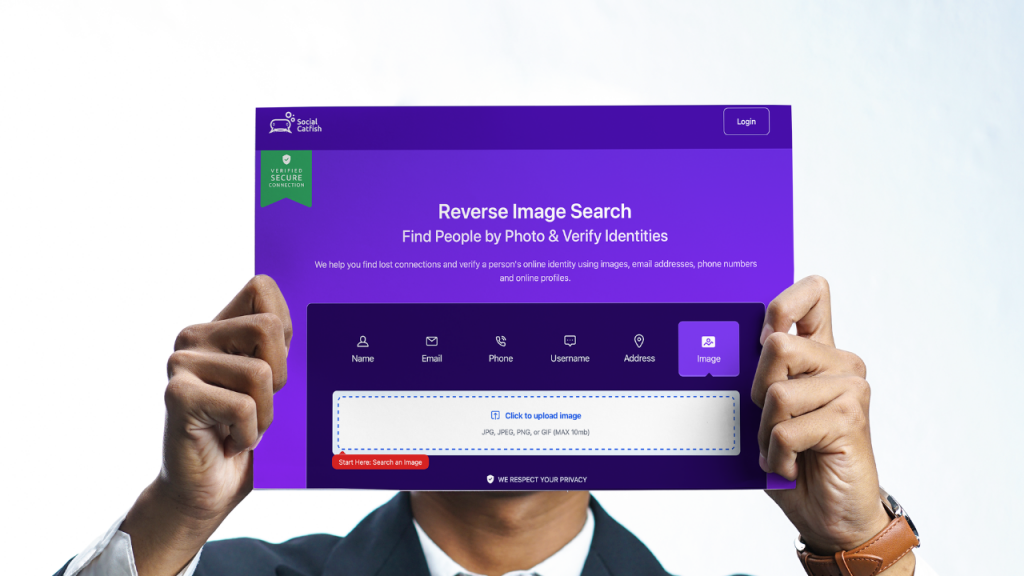
The investigation tools Social Catfish used are available before the money is sent, not just after.
Step 1: Reverse image search every photo immediately. Upload any profile photo to Social Catfish. The reverse image search scans social media, dating sites, and public records to find where that image appears online. Scott Sepiki’s photos would have surfaced immediately linked to a real Tennessee politician, not a man named Chris Woods. That search takes thirty seconds.
Step 2: Never send money in gift cards or wire transfers to someone you haven’t met in person. This isn’t a situational rule. It’s absolute. No legitimate emergency medical, legal, or natural disaster requires you to buy gift cards and read the numbers over the phone to someone you’ve never met face-to-face.
Step 3: Question the introduction. If you were introduced to someone through a third party online, particularly someone you don’t know well in real life, verify the intermediary too. Hacked accounts used as introduction vectors are a documented tactic. Tina seemed real. She wasn’t.
Step 4: Request a live, real-time video call. Ask them to hold up a piece of paper with your name on it during the call. Ask them to wave with a specific hand. Any request that requires a real-time response can’t be fulfilled by pre-recorded footage. If the call is always low-quality, always brief, always interrupted, that pattern is meaningful.
Step 5: Run a full identity check on Social Catfish. Enter their name, phone number, email, or any contact details they’ve provided. Social Catfish cross-references that information against public records, social profiles, and reverse image databases to confirm whether the identity is real before the relationship goes anywhere it can’t come back from.
What to Do If This Is Happening to You Right Now
Stop sending money immediately. Every additional payment makes recovery less likely.
Don’t confront them directly yet. Alerting the scammer gives them time to disappear or escalate pressure.
Document everything. Screenshots of all conversations, profile photos, payment records, and any documentation they’ve sent.
Contact your bank immediately. If transfers haven’t fully cleared, a reversal may be possible. Report the fraud for account monitoring.
Report to the FTC at reportfraud.ftc.gov and the FBI at ic3.gov. The FBI says romance scams are increasingly sophisticated, with professional criminals who follow scripts and adapt them based on the victim, with scams sometimes running for years before victims recognize what’s happening. Your report contributes to the data that gets these networks investigated.
FAQ
Gift cards are requested specifically because they’re anonymous, untraceable, and irreversible. Once you read the numbers to a scammer, the funds are gone. No legitimate person, romantic partner, government agency, or company will ever request payment in gift cards. It is one of the clearest documented red flags in romance fraud.
Run their profile photo through Social Catfish‘s reverse image search. It scans social media profiles, dating sites, and public records to find where that image appears and under what name. If the photo appears under a different identity, the person you’re talking to is using stolen images.
Yes, and Janelle’s case shows exactly how. Chris, Tina, and Agent Richard Weber were all part of the same operation, each playing a role designed to reinforce the others’ credibility. Multiple fake personas creating a false social network around the victim is a documented tactic in organized romance fraud.
The psychological manipulation is sustained and sophisticated. Early payments that seem to produce results reinforce the behavior. The abuse cycle warmth when complying, punishment when refusing, creates emotional dependency. And by the time the financial requests escalate, the emotional attachment is real enough to override skepticism.
Stop all payments immediately. Contact your bank to report fraud and explore reversal options. Act fast, as time is critical. Document everything. Report to the FTC at reportfraud.ftc.gov and the FBI at ic3.gov. Run the scammer’s contact details through Social Catfish to help identify who’s behind the account and build the most complete report possible.
The Bottom Line
Janelle sent $30,000 to a man named Chris Woods, who never existed, whose face belonged to a Tennessee politician, whose location was Lagos, not New York, and whose emergencies were scripted to extract money from someone who genuinely loved him.
The reverse image search that would have surfaced Scott Sepiki’s real identity takes thirty seconds. The phone lookup that would have flagged the number’s true location takes minutes. These tools exist. They work. They’re available before the money is sent.
Social Catfish is built for exactly this the moment before trust becomes a financial and emotional loss you can’t undo. Run the search. Verify the identity. Know who you’re actually talking to before you let it go any further.
Watch the full investigation on the Social Catfish YouTube channel.
Name Search Examples
To get more accurate results, enter the full name including at least First name, Middle name and Last name.
Email Search Examples
Phone Search Examples
Username Search Examples
Address Search Examples
Start typing the initial part of the address and select from the addresses given dropdown afterward.
We Respect Your Privacy.