
 Multiple Faces Detected


 March 5th, 2026
Sitch promises to fix dating, no swiping, no ghosting, just a personalized AI matchmaker that sets you up with someone who actually fits. Bold claim. And plenty of people are buying it.
That seriousness is exactly what makes it a target.
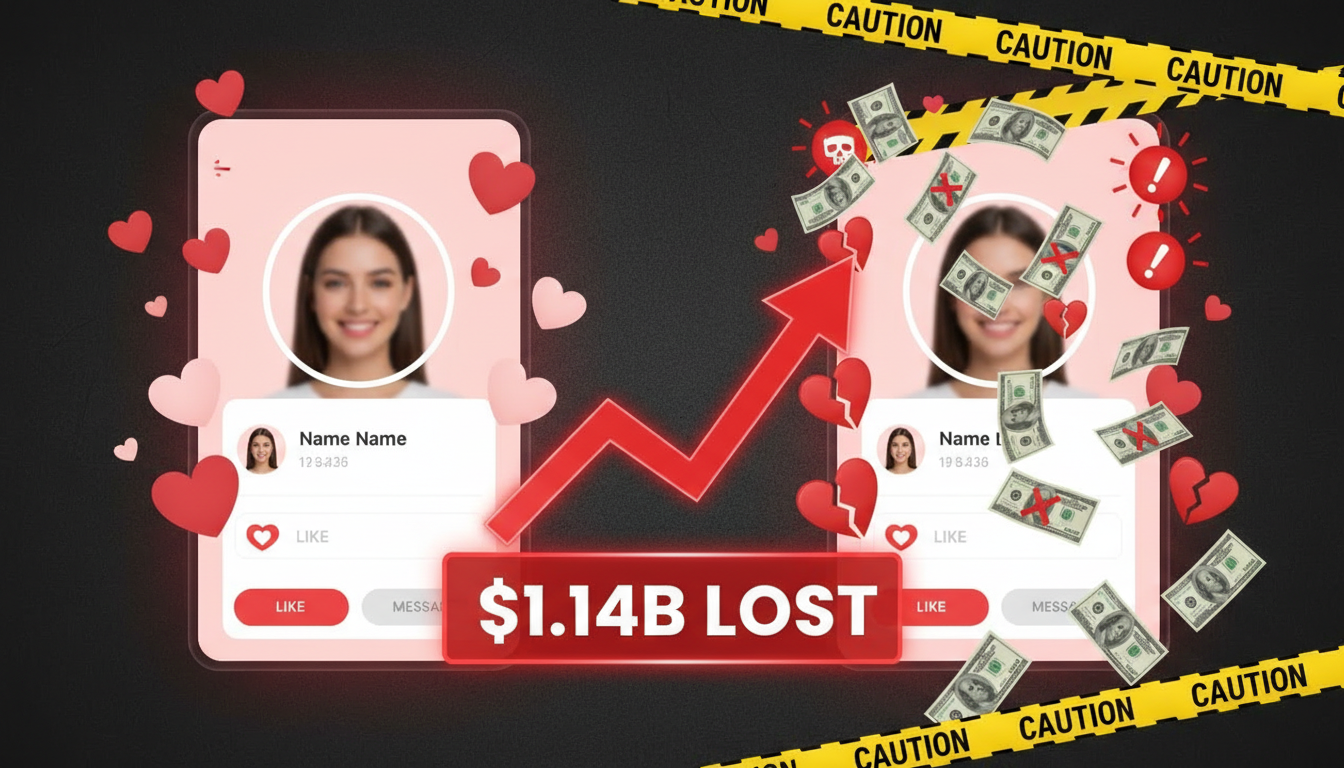
The FTC reported that Americans lost $1.16 billion to romance scams in just the first nine months of 2025, a 22% increase over the year before. Scammers go where trust is high and defenses are low. On Sitch, users arrive expecting quality matches. That expectation creates blind spots.
Not sure about someone you matched with? Run their photo or name through Social Catfish before the conversation goes any further.
Here is what to watch for on Sitch specifically.
Name Search Examples
To get more accurate results, enter the full name including at least First name, Middle name and Last name.
Email Search Examples
Phone Search Examples
Username Search Examples
Address Search Examples
Start typing the initial part of the address and select from the addresses given dropdown afterward.
We Respect Your Privacy.
How Scammers Exploit Sitch’s Design

The Curated Match That Isn’t
Sitch’s core appeal is that matches feel handpicked and intentional. When the AI introduces you to someone, the natural response is to lower your guard. This person was vetted, right?
That trust is a vulnerability. A scammer who manages to create a convincing profile and pass the app’s initial screening can leverage that built-in credibility from the very first message. Unlike Tinder, where skepticism is baked in from years of swiping through obvious fakes, Sitch users often arrive expecting quality. That expectation creates blind spots.
Watch for: Someone who seems polished and compatibility-focused early on, but gradually steers conversations toward money, investments, or personal financial situations. The warmth of the introduction format does not mean the person behind the profile is who they claim to be.
The Premium Profile Problem
Sitch charges users for setups: $90 for three, $125 for five, $160 for eight. This pricing is designed to attract serious daters. The logic is sound: people who pay are more committed.
Scammers understand this math. A user who has paid $125 for five setups is already financially invested in the process. When a match seems promising and then pivots to a request for a sob story, an investment tip, or a sudden emergency, the sunk cost of already being on the platform can make it harder to walk away.
Watch for: Any match who moves quickly toward financial conversations, claims an urgent personal crisis, or suggests you invest together in cryptocurrency or other assets. These are classic romance scam scripts that work regardless of which app you met on.
The Off-Platform Push
Sitch connects matched users through a group chat facilitated by the AI matchmaker. It is a contained, semi-structured environment. Scammers want out of it as fast as possible.
Moving a conversation to WhatsApp, Telegram, or a personal number takes the interaction off a platform where it can be monitored or reported. Once you are in a private chat, there is no paper trail, no report button, and no AI watching the conversation.
Watch for: Any match that pushes aggressively to move off Sitch before you have had any real-world contact. A legitimate person looking for a relationship has no urgency to abandon the app’s communication tools. Scammers do.
The Specific Scams Targeting Dating App Users in 2026
Pig Butchering (Investment Fraud)
This is the most financially devastating scam operating on dating platforms right now. According to the CFTC, relationship investment scams cost Americans an estimated $10 billion per year. The scam works like this: someone builds a genuine emotional rapport over weeks, introduces the idea of cryptocurrency or forex investing, shows you fake “returns,” and eventually convinces you to transfer real money into a fraudulent platform. When you try to withdraw, the platform adds fees, and eventually the scammer and the money both disappear.
On Sitch, the setup feels more credible because the introduction already carries the app’s implicit endorsement. A scammer posing as a financially successful professional, exactly the kind of person Sitch attracts, can move this script forward quickly.
AI-Generated Profiles
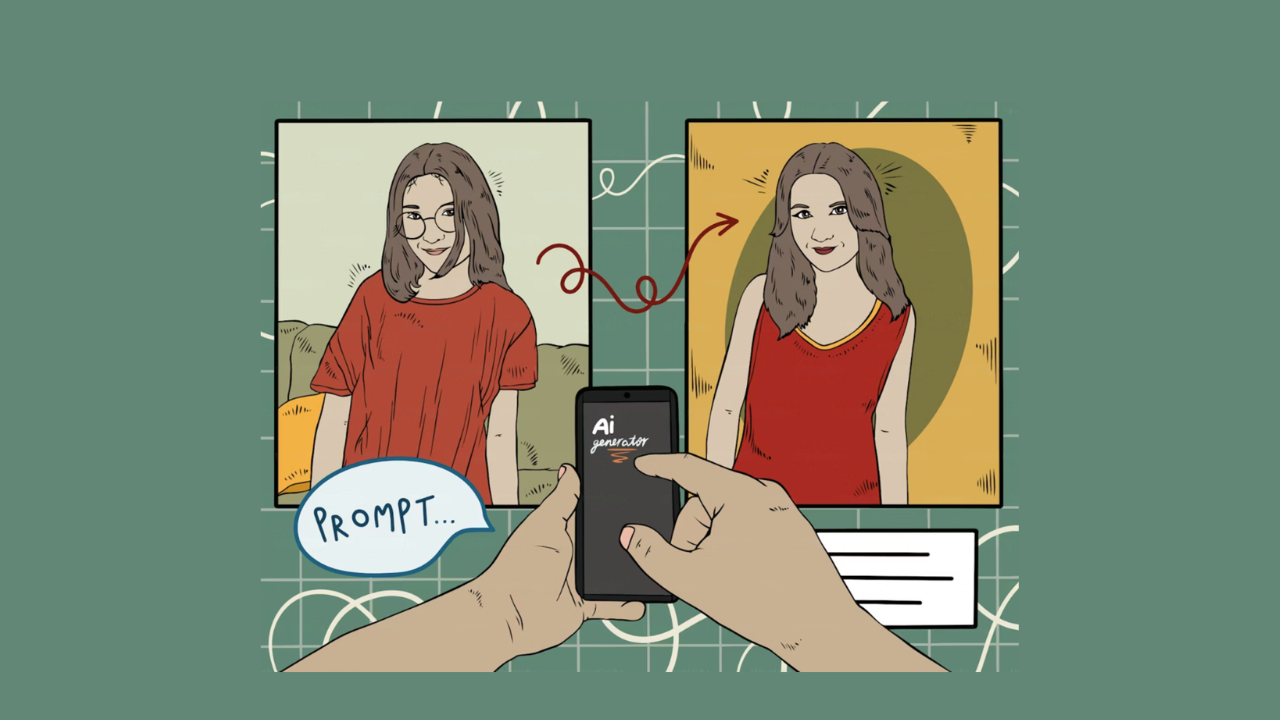
Norton’s 2025 survey found that fewer than half of online daters can reliably distinguish between a real dating photo and an AI-generated one. That gap is being exploited. Scammers now use AI image generators to create entirely fictional profiles attractive, believable, with consistent visual identities that have never existed anywhere on the internet. Traditional reverse image searches often come up empty, which can create false confidence that the person is real.
The Catfish with a Real Job Story
A common setup on professional-leaning apps like Sitch: the match presents as a doctor, engineer, military officer, or international businessperson. The story explains why they travel frequently, why video calls are difficult, and why they might need financial help navigating an international wire or emergency. Each detail is designed to answer objections before you think to raise them.
Sextortion
Less common but worth knowing: a scammer builds trust, eventually steers the conversation toward exchanging intimate photos or videos, and then uses that material as leverage for money. This tactic can start anywhere, including on premium matchmaking apps where users assume the other party has been vetted.
Red Flags Specific to Sitch
Sitch’s model creates a few unique warning signs worth understanding:
They push off-platform immediately. The app’s group chat format exists for a reason. If your match won’t use it and insists on moving to another app within the first few exchanges, that is a red flag.
Their profile depth does not match their conversation. Sitch requires users to answer around 50 detailed onboarding questions. A real member should be able to speak naturally about what they shared. If they seem unfamiliar with details they supposedly disclosed during setup, something is off.
They claim financial success but need money. The Sitch demographic skews toward ambitious, financially stable professionals. Scammers mirror that image and then deploy it. Someone presenting as wealthy should never need you to send money, facilitate a transfer, or invest alongside them on short notice.
They refuse any form of real-time video. A short, spontaneous video call is the single fastest way to confirm a person is who their photos suggest. Legitimate people on a matchmaking app should have no objection to this. Repeated excuses, such as bad lighting, traveling, a broken camera, and data issues, are classic avoidance tactics.
The emotional escalation is unusually fast. Sitch is designed to feel personal from the start, which scammers leverage. If someone is expressing deep connection, talking about the future, or declaring strong feelings within days of matching, slow down. Emotional acceleration is a manipulation technique, not a sign of compatibility.
How to Verify Who You’re Really Talking To
If something feels off about a match, you do not have to rely on gut instinct alone.
Run a reverse image search. Upload their profile photos to Google Images or TinEye. If the photos appear under a different name or on stock photo sites, you are looking at a fake profile. Note that AI-generated images may not appear in search results; their absence is not confirmation that the photo is genuine.
Search their name alongside “scam” or “romance fraud.” It is a basic step, but it works. Scammers often recycle personas across platforms.
Check their digital footprint. A real professional in their 30s or 40s, the core Sitch demographic typically has some kind of verifiable online presence: a LinkedIn profile, a business website, mentions in local news or industry publications. A complete absence of any digital trace is unusual.
Use Social Catfish to run a deeper search. If someone gives you a name, phone number, email, or username, Social Catfish can cross-reference that information against a wide range of databases to verify whether the identity is real or fabricated. You can also run a reverse image search through the platform to see if the photos have been used elsewhere online. When a match seems too good to be true on a premium app like Sitch, a few minutes of verification can save you from weeks or months of manipulation.
Request a spontaneous video call. Not a scheduled one, those can be prepared for. Ask to jump on a quick call right now, or ask them to hold up a specific object on camera. Real people can do this. Scammers operating from fake profiles or using AI-generated images cannot.
What to Do If You Think You Have Been Scammed
If you suspect a match on Sitch is not who they claim to be, take these steps:
Stop sending money immediately. If you have already transferred funds, contact your bank or payment provider as soon as possible. Some transactions can be reversed if caught quickly.
Document everything. Screenshot the profile, the conversation history, any phone numbers or email addresses they shared. You will need this if you file a report.
Report the profile on Sitch directly. Use the app’s reporting function so the account can be reviewed and removed.
File a complaint with the FTC at ReportFraud.ftc.gov and with the FBI’s Internet Crime Complaint Center at IC3.gov. These reports help investigators build cases against scam networks.
If investment fraud or cryptocurrency was involved, you can also file a complaint with the CFTC at cftc.gov/complaint.
FAQ
Yes. Sitch is a legitimate AI-powered matchmaking app founded by Nandini Mullaji and backed by reputable venture investors. It operates in several major U.S. cities and uses a combination of AI and human review to curate matches. The concern is not with the platform itself but with scammers who create accounts to exploit users.
Sitch reviews applications and checks verification selfies to screen out obvious catfishing. However, no dating platform has the resources to verify the full identity of every user, and sophisticated scammers can pass basic screening.
Yes. The upfront cost actually makes premium platforms more attractive to certain types of scammers, because it signals that users have disposable income and are emotionally invested in finding a relationship. Investment fraud scams in particular tend to target people on higher-end platforms.
Stop the conversation. No legitimate romantic interest you have just met online should be steering you toward financial investments. This is a defining characteristic of pig butchering scams, which cost Americans billions each year. Report the profile and do not transfer any funds.
Run their photos through a reverse image search, look them up on LinkedIn or other professional networks, and consider running their name, phone number, or email through Social Catfish. The most reliable real-time test is a spontaneous video call; ask them to hop on camera on short notice.
The Bottom Line
Sitch is built on a premise most dating apps have abandoned: that people deserve real, thoughtful introductions. That is genuinely appealing. But the same qualities that make it feel safer, the curated matches, the upfront investment, the personal details you share during onboarding, are the exact qualities scammers look for in a platform.
A polished profile and a warm AI introduction do not mean the person on the other end is real. Before you invest your time, your emotions, or your money in someone you met online, take five minutes to verify who they actually are.
Search their name, photo, phone number, or email on Social Catfish and know for certain before things go any further.
Name Search Examples
To get more accurate results, enter the full name including at least First name, Middle name and Last name.
Email Search Examples
Phone Search Examples
Username Search Examples
Address Search Examples
Start typing the initial part of the address and select from the addresses given dropdown afterward.
We Respect Your Privacy.