
 Multiple Faces Detected



 March 25th, 2026
Sierra from Minnesota is not a naive person. She’s not elderly, not isolated, and not someone who jumps into things without thinking. She’s a real woman who wanted a real connection, and for six years, a criminal organization in Lagos, Nigeria, gave her a convincing simulation of one.
By the time she reached out to Social Catfish, she had sent over $100,000 to a man named “Wilson Lewis,” someone she believed was a U.S. soldier deployed overseas. She had never met him in person. Every attempt at a video call produced pre-recorded footage. Every time she hesitated to send money, the abuse started.
Sierra’s case is one of thousands, but it’s also one of the few that was fully investigated, traced, and exposed. This is the breakdown of what happened, how the scam worked, and what you need to know to make sure it doesn’t happen to you.
If someone in your life is showing these same patterns or if you’re not sure whether a person you’ve met online is real, Social Catfish can run a reverse image search, phone lookup, or full identity check to confirm who you’re actually talking to.
Name Search Examples
To get more accurate results, enter the full name including at least First name, Middle name and Last name.
Email Search Examples
Phone Search Examples
Username Search Examples
Address Search Examples
Start typing the initial part of the address and select from the addresses given dropdown afterward.
We Respect Your Privacy.
Sierra’s Story: Six Years, $100,000, and a Fake Soldier
Sierra met “Wilson Lewis” online. He presented himself as a U.S. soldier deployed overseas, professional, caring, and consistent. Over weeks and months, the relationship deepened. He remembered details. He was attentive and made her feel seen in a way she hadn’t experienced before.
Then the requests started. Small ones at first help with something minor, framed as temporary. Then, larger ones, always with an explanation that made sense in the context of a soldier overseas: equipment fees, emergency leave paperwork, a medical situation, a way to finally come home to her.
Each time Sierra hesitated or pushed back, the dynamic shifted. The warmth disappeared. Wilson became verbally abusive, pressuring, guilting, and manipulating her back into compliance. Then, once she sent money, he became warm again. The cycle repeated for six years.
The total sent: over $100,000.
Sierra didn’t come forward out of embarrassment. She came forward because something finally broke through, and she wanted answers. She contacted Social Catfish.
The Investigation: What the Social Catfish Team Found
The investigation uncovered a layered, sophisticated operation, not a lone scammer, but a coordinated criminal network.
Fake Video Calls Using Pre-Recorded Footage
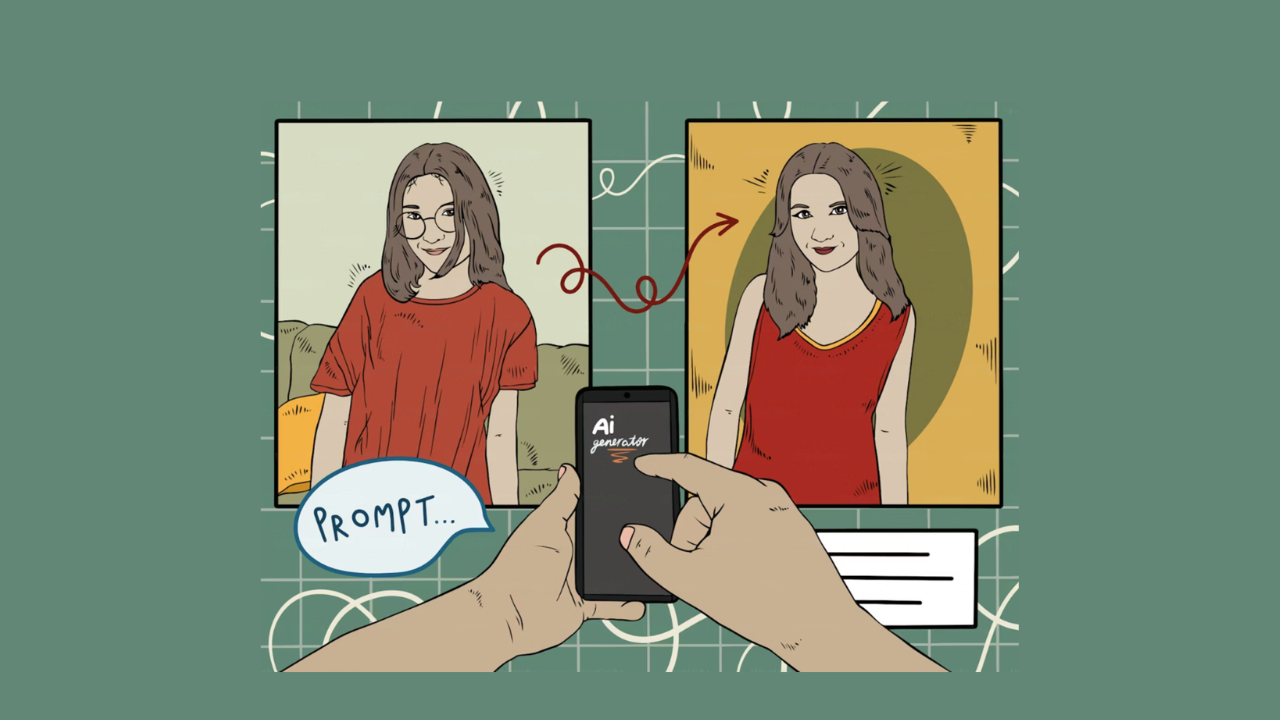
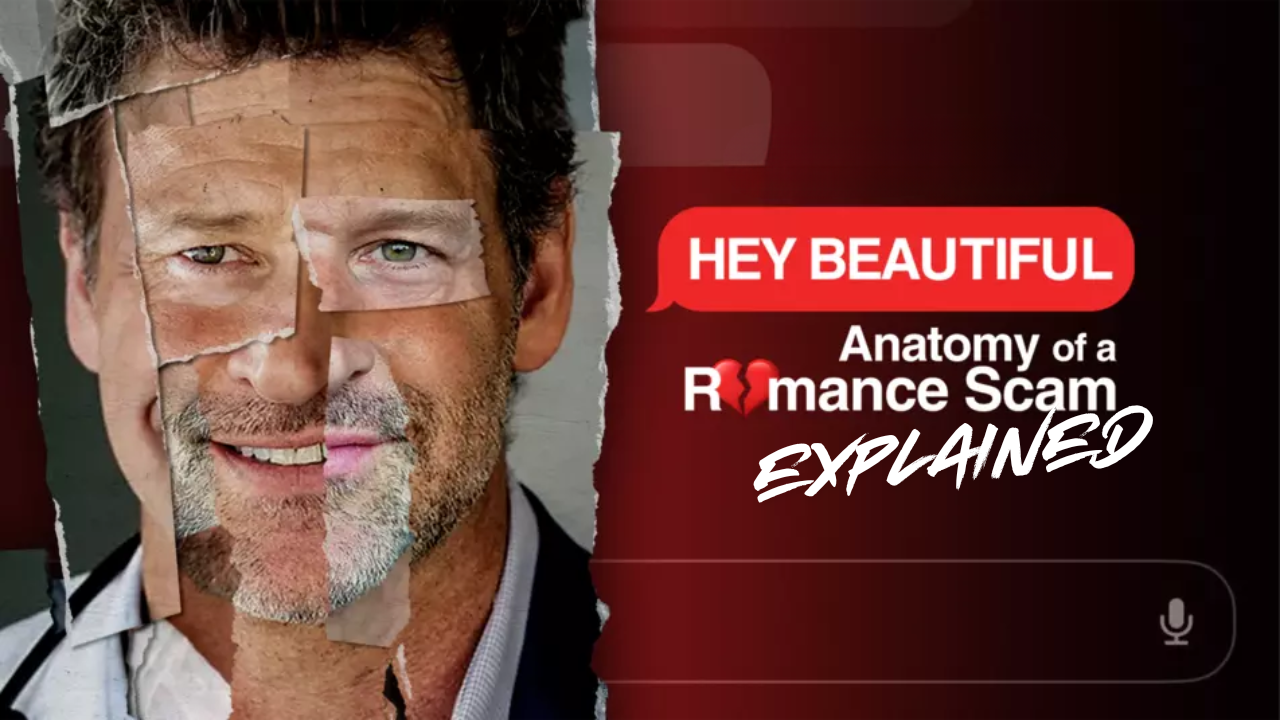
One of the first things Sierra pointed to was the video chats. Wilson had appeared on video, which is why she believed he was real. The Social Catfish team determined that the video chats were likely manipulated using pre-recorded footage, not live interaction. This is a documented tactic in advanced romance scam operations: scammers source footage of real people and loop or deploy it during calls to simulate a live video interaction.
This is one reason why a video call is no longer a reliable verification method. Scammers often use a fake military status to avoid phone or video calls, claiming that security restrictions prevent video chats or that poor internet in their deployment area makes calls impossible. When they do appear on video, it may not be live.
Entirely Fabricated Military Credentials
The military credentials Wilson provided, documentation, ID, and unit information were entirely fake. Military romance scammers create fake dating profiles using stolen photos and military details to appear genuine, targeting people who seem vulnerable. The credentials that feel most convincing, official-looking paperwork, unit seals, and deployment documentation are among the easiest things to fabricate digitally.
Real military members do not need money for leave requests, satellite phones, travel home, shipping belongings, or medical treatment. The military provides all of these. Any financial request framed around these needs is a scam, regardless of how official the supporting documentation appears.
Money Mules With Criminal Records
When the team traced where Sierra’s money actually went, they didn’t find it in an overseas military account. The funds were traced to individuals in the United States with documented criminal records for fraud and theft, money mules acting as intermediaries for the operation. This is a standard structure in organized romance fraud: the victim sends money to a domestic account, the mule takes a cut, and the remainder is moved internationally through a chain designed to make recovery nearly impossible.
The scammer created escalating urgency by claiming his life was in immediate danger, sending photographs to prove his situation, including images that showed him in hospitals and combat zones. Each request was framed as a life-or-death emergency requiring immediate action. The member wired money multiple times. It wasn’t until losing a significant amount of money that the member recognized the deception.
Location Confirmed: Lagos, Nigeria
Using an IP tracker disguised as a bank link, the Social Catfish team confirmed the scammer’s location as Lagos, Nigeria. A contact in Nigeria independently confirmed the location, admitted to the scam, and revealed the dangers of the criminal gang involved, noting that these operations are organized, dangerous, and deeply embedded in local criminal networks.
Scammers are often part of large criminal gangs with a knowledge of psychology that they use to slowly build trust with targeted victims until they start asking for money. Sierra wasn’t talking to one person. She was talking to a team.
How Military Romance Scams Actually Work
Sierra’s case follows a template that’s been documented across thousands of reports. Understanding the mechanics makes the pattern recognizable even when it’s wrapped in what feels like a genuine connection.
Step 1: The approach. Scammers find an authentic soldier’s social media page and send a volume of pictures to create the illusion of communicating with that soldier. The initial contact is warm, specific, and often flattering, designed to stand out from the noise of online interaction.
Step 2: Love bombing. Scammers move fast to create a false sense of intimacy and trust, using love bombing tactics like saying “I love you” early on, calling you their soulmate, or talking about marriage after just a few conversations. The emotional intensity is engineered to cloud judgment and build attachment before skepticism can develop.
Step 3: The military cover story. Scammers create fake profiles using stolen photos of real military personnel, then reach out to potential victims on dating sites or social media platforms claiming to be deployed overseas. The deployment story explains everything: can’t meet, can’t video call freely, needs financial help with things the military supposedly doesn’t cover.
Step 4: The financial requests. Scammers prey on sympathy to ask for money, claiming they need it for food, children back home, or to submit a leave request to visit you, requesting money via wire transfers, gift cards, cryptocurrency, or peer-to-peer payment apps because these methods are difficult to trace or reverse.
Step 5: The abuse cycle. When victims push back, the warmth disappears, and pressure replaces it with guilt, manipulation, verbal abuse, and accusations of not trusting or loving them. When the victim complies, warmth returns. This cycle is what keeps victims engaged for months and years.
Step 6: The disappearance. As soon as the money stops flowing, they disappear and block you, leaving you heartbroken and out of pocket. Some operations, like the one targeting Sierra, sustain contact indefinitely as long as money keeps coming.
The Red Flags That Were There From the Start
Looking back, the signs were present throughout Sierra’s six years with Wilson. These same signals appear across virtually every documented military romance scam:
- Never meeting in person — deployment is the convenient permanent excuse
- Video calls that feel off — pre-recorded footage, brief calls, technical “issues” that prevent real interaction
- Fake military documentation — paperwork that looks official but can’t be independently verified
- Financial requests tied to military expenses — leave fees, equipment, medical costs, shipping, none of which real soldiers pay out of pocket
- Verbal abuse when money is refused — pressure, guilt, and emotional punishment for hesitation
- Money sent to U.S. domestic accounts — not to an overseas military account, which should itself be a red flag
- Six years with no in-person meeting — a real person who loves you finds a way to meet you
Scammers prey on the most vulnerable, such as widows, widowers, lonely people, and the elderly, but vulnerability doesn’t require any of those labels. Anyone who wants connection and is met with what appears to be genuine attention is susceptible. That’s not a weakness. That’s being human.
What Sierra Got Back
Beyond the investigation findings, the Social Catfish team provided Sierra with something she needed beyond information: support and a path forward. The team gave her a makeover to help rebuild her confidence and walked her through the process of permanently blocking the scammer, drawing a clear line between what happened and what comes next.
That moment matters in the broader picture of what romance scam recovery looks like. Victims are experiencing sophisticated psychological manipulation, not demonstrating poor judgment. The shame that keeps most victims silent is the mechanism that keeps these operations running because unreported scams never enter the databases that help identify and shut down criminal networks.
How to Verify a Military Contact Before You Trust Them

The investigation tools the Social Catfish team used are available to anyone, and they work before the relationship goes six years deep, not after.
Step 1: Reverse image search their photos immediately. Save any profile photo and upload it to Social Catfish. The reverse image search scans social media profiles, dating sites, military forums, and public records to find where that image appears. If the photo belongs to a real soldier whose images were stolen without their knowledge, the search will surface that person’s actual identity. Wilson’s photo belonged to someone else. That single check would have surfaced it.
Step 2: Verify military status independently. The U.S. Army’s Criminal Investigation Division (CID) maintains a romance scam page specifically because military impersonation is so common. Real service members can be verified through official military channels, not through documents the person provides themselves, which can be fabricated.
Step 3: Request a live video call on a neutral platform. Ask for a FaceTime, WhatsApp, or Google Meet call, not a call through whatever platform you met on. Request something specific during the call: hold up a piece of paper with your name on it, wave with a specific hand. Pre-recorded footage can’t respond to real-time requests.
Step 4: Never send money through untraceable methods. Wire transfers, gift cards, cryptocurrency, and peer-to-peer payment apps are specifically requested because they’re nearly impossible to recover. Any financial request from someone you’ve never met in person, regardless of the reason, should be treated as a scam until definitively proven otherwise.
Step 5: Run a full identity check on Social Catfish. Enter their name, phone number, email, or any contact details they’ve provided. Social Catfish cross-references that information against public records, social profiles, and reverse image databases to confirm whether the identity is real and consistent. If Wilson’s number had been run through a reverse phone lookup, it would have surfaced the domestic money mule accounts it was connected to, not a deployed soldier.
What to Do If This Is Happening to You Right Now
If you’re reading this and recognizing patterns from your own current relationship, this is the most important section.
Stop sending money immediately. Every additional payment makes recovery less likely and emboldens the operation to continue.
Don’t confront them directly. Letting the scammer know you’re investigating gives them time to disappear or escalate pressure tactics.
Document everything. Screenshots of conversations, profile photos, any documentation they’ve sent, and payment records. All of it.
Contact your bank immediately. If recent transfers haven’t fully processed, a reversal may be possible. Report the fraud so your accounts can be monitored.
Report to the FTC at reportfraud.ftc.gov and the FBI at ic3.gov. Authorities believe as few as 7% of romance scams are actually reported, which means most operations never face meaningful investigation. Your report contributes to the data picture that gets these networks pursued.
Reach out to Social Catfish. If you want to know who you’re actually talking to or if you need help understanding what your investigation options are, Social Catfish can run a full identity check on anyone you’ve been in contact with online.
FAQ
Scammers create fake profiles using stolen photos of real soldiers, claim to be deployed overseas, and build emotional relationships before requesting money for fake military expenses, leave fees, equipment, and medical costs. The deployment story explains why they can’t meet in person or video call freely, and the requests are sustained through emotional manipulation, including love bombing and verbal abuse when money is refused.
Yes. Sierra’s case is one documented example of the Social Catfish team determining that her video chats were likely pre-recorded footage rather than live interaction. Scammers source video of real people and deploy it during calls. To test whether a call is live, make a specific real-time request during the call, ask them to hold up something specific, or perform an action. Pre-recorded footage can’t respond.
Reverse image search their profile photos through Social Catfish to confirm the images aren’t stolen from a real soldier. Search their name and claimed unit independently, not through the documents they provide. The U.S. Army CID maintains a dedicated page for military impersonation reports. Real soldiers can also be verified through official military channels.
Stop all payments immediately. Contact your bank to report fraud and explore reversal options. Document everything. Report to the FTC at reportfraud.ftc.gov and the FBI at ic3.gov. Run the scammer’s contact details through Social Catfish to help identify who’s behind the account and build a more complete report.
The psychological manipulation is sophisticated and sustained. Love bombing builds genuine emotional attachment. The abuse cycle, warmth when complying, punishment when refusing, creates a trauma bond similar to those documented in abusive relationships. Early payments that seem to produce results reinforce the behavior. And shame keeps victims from seeking outside perspective until losses become impossible to ignore.
The Bottom Line
Sierra lost $100,000 and six years to a criminal operation running out of Lagos, Nigeria, not because she was foolish, but because the scam was engineered to work on real human emotions by people who do this professionally, at scale, every day.
The investigation that exposed Wilson Lewis took days. The reverse image search that would have surfaced his stolen photos would have taken minutes on day one, before a single dollar was sent.
Social Catfish exists for exactly this moment, the point before trust is given, before money changes hands, before six years pass. Run a reverse image search. Check a phone number. Verify an identity. It takes minutes. It’s what Sierra wishes she’d done on day one.
Watch the full investigation on the Social Catfish YouTube channel.
Name Search Examples
To get more accurate results, enter the full name including at least First name, Middle name and Last name.
Email Search Examples
Phone Search Examples
Username Search Examples
Address Search Examples
Start typing the initial part of the address and select from the addresses given dropdown afterward.
We Respect Your Privacy.