
 Multiple Faces Detected


 February 19th, 2026
Online dating has transformed how people meet romantic partners, with over 300 million users worldwide swiping, matching, and connecting through apps and websites. But alongside legitimate relationships, a darker trend has emerged: romance scammers exploiting emotional vulnerability to steal billions of dollars from victims seeking love. Understanding the scale, tactics, and financial impact of online dating scams reveals why this has become one of the costliest forms of fraud in the digital age.
According to the Federal Trade Commission, consumers reported losing more than $12.5 billion to fraud in 2024, which represents a 25% increase over the prior year. The true cost is likely far higher, as many victims never report out of embarrassment, shame, or hope that the relationship was real. As dating apps proliferate and AI technology makes scams more sophisticated, the rise of online dating scams shows no signs of slowing.
Social Catfish helps you verify online dating profiles before you develop an emotional attachment or send money to someone you’ve never met in person. Understanding romance scam trends and statistics helps you recognize warning signs and protect yourself from becoming another statistic.
In this guide, we’ll examine the rise of online dating scams through recent statistics, analyze emerging trends, break down who’s most vulnerable, and explain how to protect yourself from romance fraud.
Name Search Examples
To get more accurate results, enter the full name including at least First name, Middle name and Last name.
Email Search Examples
Phone Search Examples
Username Search Examples
Address Search Examples
Start typing the initial part of the address and select from the addresses given dropdown afterward.
We Respect Your Privacy.
Online Dating Scam Statistics: The Growing Problem
Financial Impact by Year
Romance scam losses have increased dramatically over the past five years as online dating becomes mainstream and scammers refine their tactics.
Reported Losses to Romance Scams (FTC Data):
| Year | Total Losses | Number of Reports | Median Loss Per Victim |
|---|---|---|---|
| 2020 | $304 million | 52,593 | $2,500 |
| 2021 | $547 million | 56,034 | $2,400 |
| 2022 | $736 million | 69,805 | $4,400 |
| 2023 | $1.14 billion | 64,003 | $7,000 |
| 2024 | $1.14 billion | 59,000 | $8,000 |
Key findings:
- Losses have nearly quadrupled since 2020
- Median loss per victim has tripled from $2,500 to $8,000
- Fewer reports but higher individual losses suggest scammers target victims more effectively
- 2024 saw romance scams maintain the highest loss category for the second consecutive year
Romance Scams vs Other Fraud Types
Romance scams rank among the most financially damaging fraud categories despite representing a smaller percentage of total reports.
2024 Top Fraud Categories by Total Losses:
- Investment Scams: $5.7 billion
- Imposter Scams (includes romance): $2.95 billion
- Romance scams specifically: $1.14 billion
- Online Shopping Fraud: $432 million
- Business/Job Opportunities: $750 million
Why romance scams cause disproportionate losses:
- Emotional manipulation creates trust that bypasses skepticism
- Scammers build relationships over months before requesting money
- Victims send multiple payments before recognizing fraud
- Shame prevents victims from reporting or seeking help early
Demographics: Who Gets Targeted Most
Romance scammers don’t discriminate, but certain demographics report higher losses.
By Age Group (2024 FTC Data):
| Age Group | Median Loss | % of Total Reports | % of Total Losses |
|---|---|---|---|
| 18-29 | $750 | 12% | 5% |
| 30-39 | $2,000 | 18% | 15% |
| 40-49 | $3,500 | 22% | 23% |
| 50-59 | $6,000 | 21% | 26% |
| 60-69 | $9,000 | 16% | 20% |
| 70+ | $10,000 | 11% | 11% |
Key insights:
- Older adults (60+) report the highest median losses
- Middle-aged adults (40-59) represent the largest victim pool
- Younger adults report more frequently but lose less per incident
- Adults 50+ account for 48% of total romance scam losses
By Gender:
- Women report romance scams more frequently (63% of reports)
- Men report higher median losses ($10,000 vs $4,000 for women)
- Men over 70 report the highest median losses of any demographic ($13,000)
Payment Methods Used in Romance Scams
How victims send money reveals why recovery is often impossible.
Most Common Payment Methods (2024):
- Bank Transfers/Wire Transfers: 35% of reported losses ($399 million)
- Cryptocurrency: 28% of reported losses ($319 million)
- Gift Cards: 15% of reported losses ($171 million)
- Payment Apps (Venmo, Zelle, Cash App): 12% ($137 million)
- Credit Cards: 10% ($114 million)
Why these methods favor scammers:
- Wire transfers and cryptocurrency are nearly impossible to reverse
- Gift cards are untraceable once codes are provided
- Payment apps offer limited fraud protection for authorized transfers
- Scammers specifically request these irreversible payment methods
Emerging Trends in Online Dating Scams
Cryptocurrency Investment Scams (“Pig Butchering”)
The fastest-growing romance scam variant combines fake romantic relationships with fraudulent cryptocurrency investments.
How it works:
- Scammer establishes romantic relationship through dating app
- Gradually introduces cryptocurrency investment opportunity
- Victim “invests” through fake trading platform showing profits
- Platform shows growing returns to encourage larger investments
- When victim tries to withdraw funds, platform requires fees or becomes inaccessible
- Victim loses both emotional connection and entire investment
Scale: Cryptocurrency romance scams accounted for $319 million in losses in 2024, up 47% from 2023. The average loss per victim reached $15,000, nearly double the overall romance scam median.
AI-Enhanced Scams
Artificial intelligence has transformed romance scams by enabling mass-scale operations and more convincing deception.
AI applications in romance scams:
- Chatbots maintaining hundreds of simultaneous relationships with perfect consistency
- Voice cloning creating fake phone calls using stolen audio samples
- Deepfake videos “proving” identity through synthetic video calls
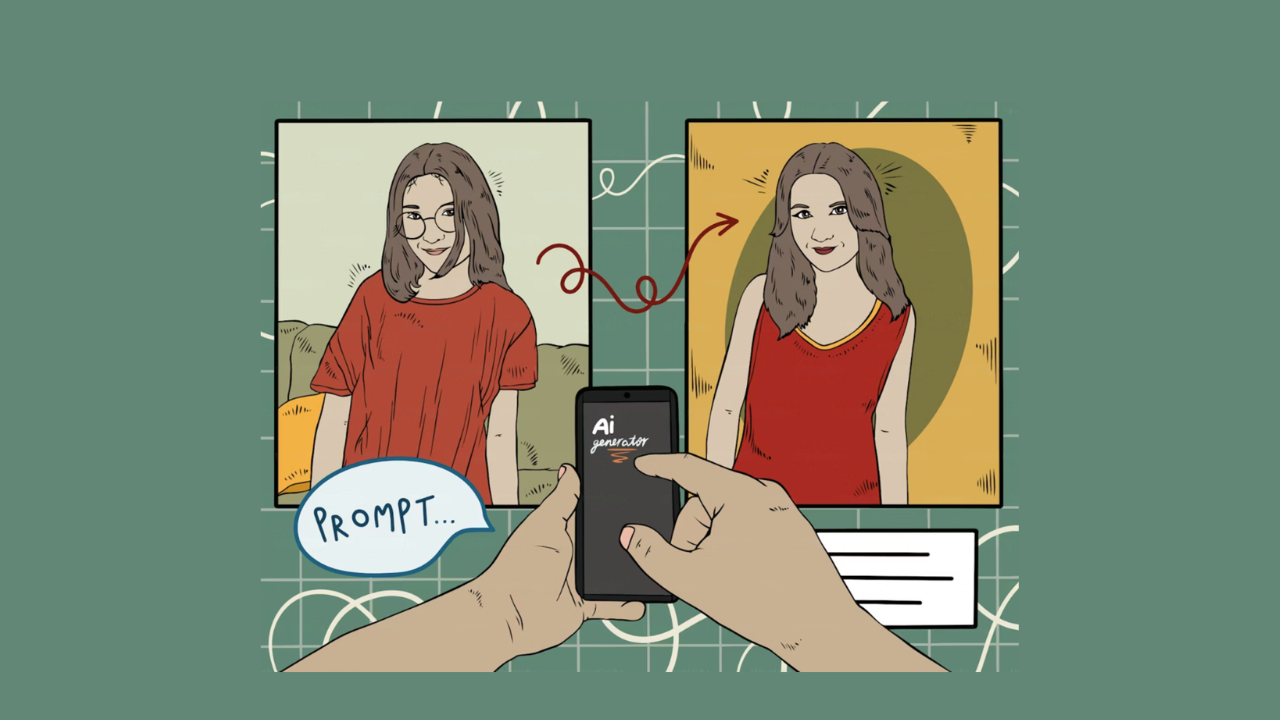
- AI-generated profile photos that don’t exist in reverse image searches
- Automated message generation adapting to victim’s interests and emotional state
Impact: AI allows scammers to maintain more relationships simultaneously while appearing more authentic, contributing to the rise in total losses despite fewer reported incidents.
Military and Healthcare Worker Impersonation
Scammers increasingly impersonate specific professions to explain why they can’t meet in person or video chat.
Most commonly impersonated professions:
- Military personnel deployed overseas (35% of impersonation scams)
- Healthcare workers or doctors (18%)
- Engineers on oil rigs or remote projects (15%)
- International businesspeople (12%)
Why these work:
- Explains inability to meet in person
- Justifies poor video quality or lack of video calls
- Creates urgency for financial “emergencies”
- Professions associated with trustworthiness and stability
Social Media Origin Increase
While dating apps remain common, romance scams increasingly originate on mainstream social media platforms.
Romance Scam Starting Points (2024):
- Facebook: 28% of romance scam reports
- Instagram: 18%
- Dating Apps (Tinder, Hinge, Bumble, Match): 32%
- LinkedIn: 8%
- Other Social Media/Gaming Platforms: 14%
Why social media works for scammers:
- Less scrutiny than dedicated dating platforms
- Access to personal information for targeted manipulation
- Existing content creates false sense of legitimacy
- Users less guarded than on dating apps
Warning Signs: Recognizing Romance Scams
Understanding statistics helps, but recognizing warning signs protects you personally.
Early Red Flags
Profile and communication patterns:
- Profile photos look professionally shot or too attractive
- Minimal profile information or recently created accounts
- Claims to be from U.S./UK but currently overseas
- Rapid emotional escalation and declarations of love
- Reluctance to video chat or always has technical excuses
Verify profiles using Social Catfish’s reverse image search to check if photos are stolen from other sources.
Financial Request Patterns
Common money request scenarios:
- Medical emergency for themselves or family member
- Travel expenses to visit you (never arrives)
- Business opportunity needing quick investment
- Customs fees or legal issues requiring immediate payment
- “Stranded” overseas needing emergency funds
Statistics show: 89% of romance scam victims who report sending money sent multiple payments before recognizing fraud. The first request is typically small ($200-500) to establish trust before larger requests.
How to Protect Yourself from Online Dating Scams

Verify Before You Trust
Use Social Catfish’s verification tools to confirm online dating profiles before developing emotional attachment:
Reverse Image Search: Upload profile photos to check if they’re stolen or appear on multiple profiles with different names.
Phone Number Lookup: Verify any phone numbers they provide match their claimed location and aren’t VoIP or burner numbers.
Email Search: Check if their email is connected to other suspicious accounts or recently created.
Background Check: Verify the person exists as they claim, with their stated age, location, and background.
Never Send Money to Someone You Haven’t Met
Statistics are clear: Sending money to someone you’ve only met online is the strongest predictor of romance scam victimization. No legitimate romantic interest asks for money before meeting in person.
If they request money:
- Assume it’s a scam regardless of the story
- Stop communication immediately
- Report to the platform and authorities
- Don’t feel guilty professional scammers manipulate emotions expertly
Request Video Verification
Insist on video calls with spontaneous actions:
- Ask them to hold up specific number of fingers
- Request they write a specific word on paper and show it
- Notice if video quality is suspiciously poor or they avoid showing their face clearly
AI detection: Deepfakes struggle with spontaneous, unpredictable actions in real-time conversations.
Research Their Story
Verify claims through multiple sources:
- Google their claimed profession and location for consistency
- Check if their employer exists and employs people in that role
- Verify their social media presence spans years, not weeks
- Confirm details about their life through casual questions over time
Inconsistencies indicate fraud: Real people have consistent stories; scammers forget details or contradict themselves.
Frequently Asked Questions
While exact percentages vary by platform, studies estimate 10-15% of online dating profiles are fake, with dating apps reporting that they block millions of fake accounts annually. However, not all fake profiles are scammers; some are bots, spam, or people misrepresenting themselves for non-financial reasons.
The median time between initial contact and first money request is 30-90 days. Scammers build emotional connection and trust before introducing financial requests. Statistics show scammers who wait longer before requesting money achieve higher total losses per victim.
Recovery rates are extremely low less than 5% of romance scam victims recovering any money. Wire transfers, cryptocurrency, and gift cards are nearly impossible to reverse. Immediate reporting to banks and payment platforms within 24 hours offers the best (though still slim) recovery chances.
Use Social Catfish’s verification tools including reverse image search for profile photos, phone number lookup to verify contact information, email search to check account history, and background checks to confirm their identity matches their claims. Request video calls with spontaneous verification actions.
Romance scams violate wire fraud, mail fraud, and identity theft laws, with potential sentences of 20+ years. However, many scammers operate internationally from countries with limited extradition treaties, making prosecution difficult. The FBI estimates less than 1% of romance scammers face criminal charges.
Conclusion
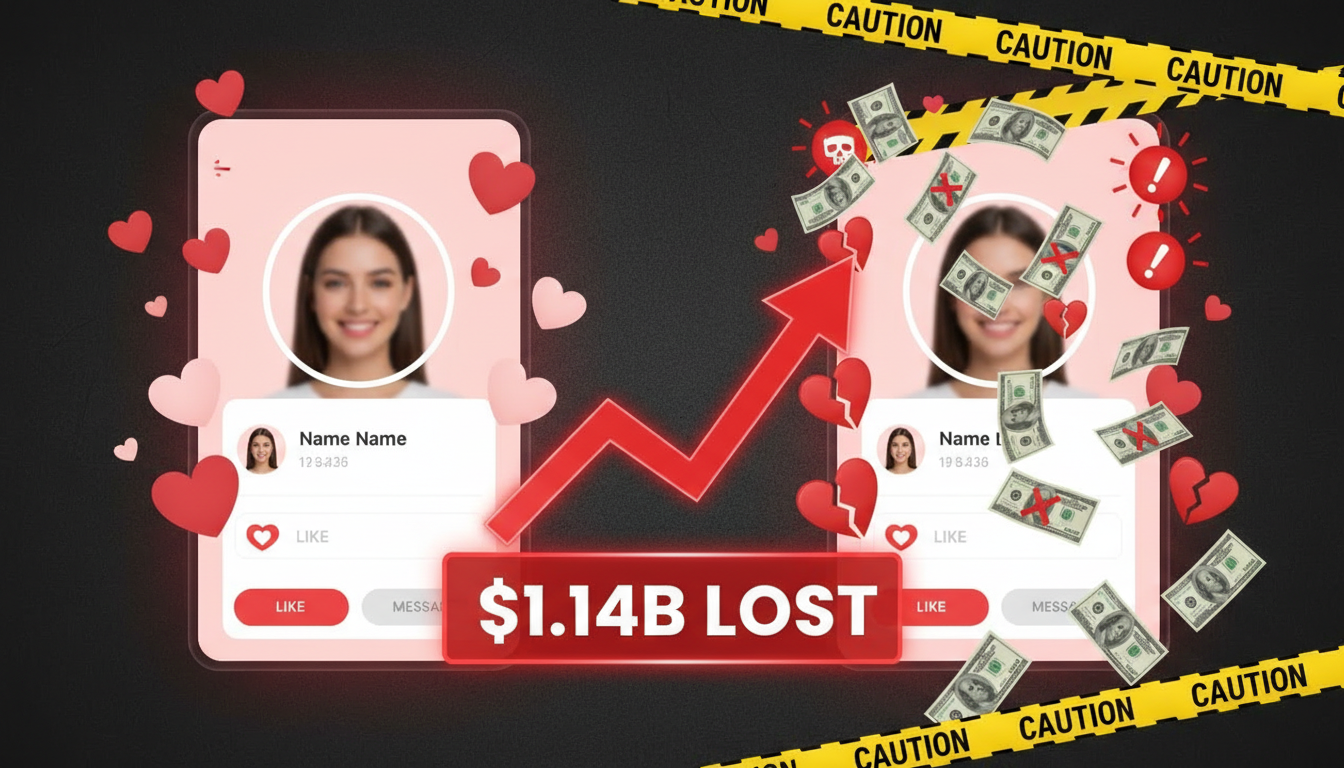
The rise of online dating scams reflects both the mainstream adoption of digital romance and scammers’ increasingly sophisticated tactics. With $1.14 billion in reported losses in 2024, romance scams represent one of the costliest fraud categories, disproportionately affecting adults over 50 who report median losses of $9,000-$10,000 per incident.
Understanding that cryptocurrency investments combined with romance now dominate the highest-loss scams, that AI enables mass-scale fraud operations, and that social media platforms now rival dating apps as scam origins helps you recognize emerging threats before becoming a victim.
Social Catfish provides verification tools that protect you from romance scams by verifying profile photos through reverse image search, confirming phone numbers and emails match claimed identities, and validating that people exist as they claim before you develop emotional attachment or send money.
Never send money to someone you’ve only met online, verify profiles through multiple independent sources, request video calls with spontaneous actions AI can’t predict, and trust statistics over emotions 89% of victims sent multiple payments before recognizing fraud. Your skepticism and verification habits are your best defense against romance scammers exploiting the natural human desire for connection.
Name Search Examples
To get more accurate results, enter the full name including at least First name, Middle name and Last name.
Email Search Examples
Phone Search Examples
Username Search Examples
Address Search Examples
Start typing the initial part of the address and select from the addresses given dropdown afterward.
We Respect Your Privacy.