
 Multiple Faces Detected



 January 21st, 2026
In an era of digital payments, you’d think paper checks would be obsolete. Instead, check fraud is experiencing a shocking resurgence. Criminals are stealing checks from mailboxes, washing them with household chemicals, and cashing them for thousands of dollars.
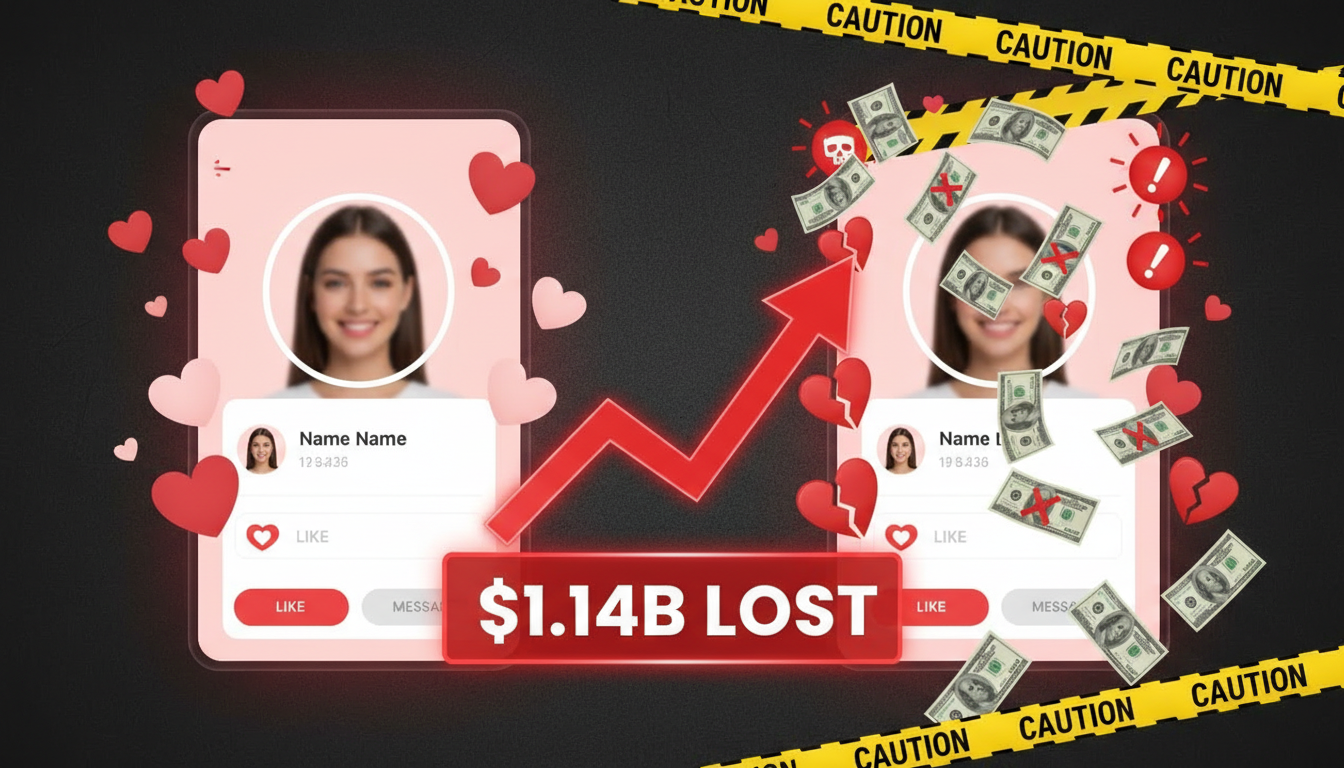
According to FinCEN, financial institutions reported over $688 million in suspicious check fraud activity in just six months of 2023, with suspicious activity reports increasing by 90% from 2021 to 2023. The estimated total losses reached $21 billion in 2023. Financial institutions saw a 10% increase in attempted check fraud cases from 2023 to 2024, despite declining check usage nationwide.
Before you mail that rent check or deposit a check from an unknown sender, verify the source with Social Catfish to protect yourself from becoming the next victim.
Let’s explore why check fraud is surging, who’s most vulnerable, and how you can protect yourself.
Name Search Examples
To get more accurate results, enter the full name including at least First name, Middle name and Last name.
Email Search Examples
Phone Search Examples
Username Search Examples
Address Search Examples
Start typing the initial part of the address and select from the addresses given dropdown afterward.
We Respect Your Privacy.
Why Check Fraud Is Making a Comeback

Despite predictions about checks becoming obsolete, they remain common, and criminals know it.
Mail Theft Has Skyrocketed Since the Pandemic
Check fraud exploded during COVID-19 when relief checks flooded mailboxes. Mail theft complaints jumped 161% between March 2020 and February 2021, rising from 114,000 to 299,000 reports. Criminals realized how lucrative mail theft could be, and they haven’t stopped.
The problem has worsened. Criminals now target postal workers, robbing them at gunpoint for arrow keys and master keys that open USPS collection boxes. In 2023, postal inspectors arrested 600 people for robbing mail carriers, with 628 total postal worker robberies.
Check Washing Is Simple and Profitable
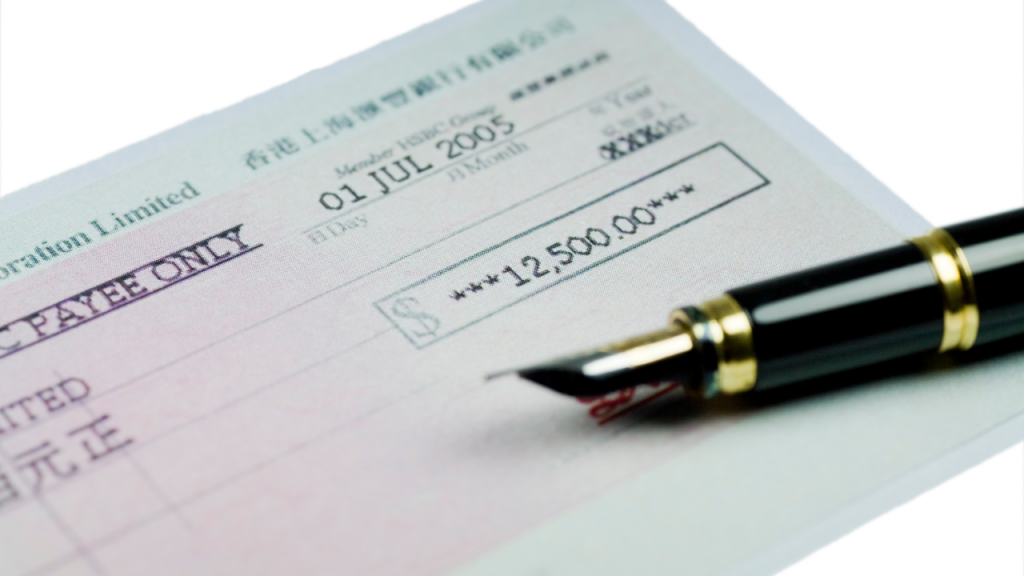
Check washing doesn’t require sophisticated skills. Criminals steal checks, use household chemicals to remove the ink, and rewrite them for larger amounts. A $50 utility payment becomes a $5,000 check payable to the scammer.
FinCEN found that 44% of stolen checks were altered and deposited, 26% were used to create counterfeits, and 20% were fraudulently signed and deposited. The average check fraud case involved nearly $45,000, with a median loss exceeding $14,000.
Businesses Still Rely Heavily on Checks
Despite digital alternatives, 75% of organizations still use paper checks, and 33% of B2B payments are made via check. Commercial real estate leads with 34% of B2B payments processed via check. This continued reliance creates abundant opportunities for fraud.
Check fraud now accounts for 30% of all fraud losses in 2024, making it one of the most costly payment fraud types.
If you receive a check from an unfamiliar source, run a Social Catfish verification before depositing it, counterfeit checks can leave you liable for the funds.
Who’s Most at Risk from Check Fraud
Check fraud doesn’t discriminate, but certain groups face heightened vulnerability.
Small Business Owners and Freelancers
Businesses receiving regular check payments are prime targets. Criminals intercept checks from clients, alter them, and cash them before the business realizes what happened. Small businesses often lack fraud detection systems, making them easier targets.
Older Adults with Traditional Banking Habits
Seniors who prefer writing checks for bills are particularly vulnerable. They’re more likely to use checks regularly and may not monitor accounts frequently online. FTC reported that losses to older adults over $100,000 increased eight-fold from $55 million in 2020 to $445 million in 2024.
Anyone Mailing Checks from Home Mailboxes
If you put outgoing checks in your mailbox with the flag up, you’re advertising to criminals. Thieves cruise neighborhoods looking for raised flags. Criminals also steal from blue USPS collection boxes using stolen arrow keys.
Renters and Regular Bill Payers
People who mail rent checks or utility payments create predictable patterns criminals exploit. They know when checks are likely to be mailed and target those times and locations.
Before trusting a check for large transactions like rent or car purchases, verify the sender through Social Catfish’s phone and email lookup tools.
How Check Fraud Scams Actually Work
Understanding the mechanics helps you spot red flags before losing money.
The Theft
Criminals steal checks by breaking into home mailboxes, stealing from USPS collection boxes, robbing postal workers, or recruiting postal employees. Approximately 50% of stolen check images appear for sale on platforms like Telegram within eight days of theft.
The Alteration
Stolen checks undergo washing, using chemicals like acetone or bleach to remove ink while leaving the signature intact. Criminals rewrite checks for larger amounts and change the payee name. More sophisticated operations create counterfeit checks using stolen checks as templates.
The Cash-Out
Criminals deposit fraudulent checks through mobile apps, branches they don’t normally use, ATMs, or money mules with accounts opened using stolen identities. Many work in organized networks, sharing stolen check images across state lines.
Social Catfish’s image search can help verify if business logos on checks match legitimate sources, a key step in spotting counterfeits.
Red Flags of Check Fraud
Recognizing warning signs can prevent devastating losses.
Unexpected Checks: You receive a check for a prize, lottery winnings, mystery shopping, or work-from-home opportunity you didn’t sign up for.
Overpayment Scams: Someone sends a check for more than agreed and asks you to wire back the difference. The check will bounce, but your wire is irreversible.
Check Quality Issues: The check looks off wrong fonts, misspelled words, incorrect logos, or poor print quality.
Pressure to Act Quickly: Someone insists you deposit and send money immediately before the check clears.
Unusual Account Activity: Checks you didn’t write are clearing, or checks you mailed never arrive but show as cashed.
What to Do If You’re a Victim of Check Fraud
Quick action is critical to minimizing losses.
Contact Your Bank Immediately: Report fraud as soon as you discover it. Request account monitoring and consider freezing your account temporarily.
File a Police Report: Contact local law enforcement and file an official report for bank and insurance documentation.
Report to USPS and FTC: If checks were stolen from mail, report to the U.S. Postal Inspection Service at uspis.gov.
Monitor Your Credit: Pull credit reports from all three bureaus and set up fraud alerts. Check fraud often leads to identity theft.
Use Social Catfish to Monitor Your Information: Set up alerts for your name, address, phone, and email. You’ll receive early warnings if your information appears in breaches or suspicious activity.
How Social Catfish Protects You from Check Fraud
Social Catfish offers verification tools specifically valuable for preventing check fraud.
Phone Number Verification: Before accepting a check from someone you met online, verify their phone number. Social Catfish reveals if it’s associated with known scams.
Email Lookup: Check if the email sending you payment instructions is legitimate. Scammers use spoofed emails with slight variations from real businesses.
Reverse Image Search: Verify logos or business photos associated with check senders. Criminals steal legitimate business images to make counterfeits look authentic.
Identity Monitoring: Track your personal information online. If your banking details appear in suspicious contexts after experiencing fraud, you’ll receive alerts.
Real example: Marcus received a $4,800 check from a “client” with instructions to wire $1,200 to a “vendor.” Before depositing, he verified the sender’s phone through Social Catfish and discovered multiple fraud reports. The check was counterfeit, Marcus would have lost $1,200 and faced bank penalties.
Frequently Asked Questions
Why is check fraud increasing when fewer people use checks?
Those who still use checks, especially businesses and older adults, represent concentrated targets. Criminals have improved techniques using social media and dark web platforms to share stolen checks and washing methods.
How can I tell if a check is fraudulent?
Look for security features like watermarks and microprinting. Verify routing numbers match the bank. Be suspicious of poor print quality or unusual paper. Most importantly, verify the sender’s identity through Social Catfish before depositing.
What should I do if I deposit a bad check?
Contact your bank immediately. Don’t spend the funds, even if available, the check hasn’t truly been cleared. File a police report and report to the FTC. You may be liable for the check amount plus fees.
Are mobile deposit apps safe from check fraud?
Mobile deposit apps don’t prevent you from depositing fraudulent checks. Criminals exploit mobile deposit for quick cashing without face-to-face interaction. Always verify the check’s legitimacy first.
How long does it take for a check to truly clear?
While funds may appear available in 1-2 days, checks can take up to two weeks to fully clear. If the check bounces after you’ve spent the money, you’re responsible for repaying your bank.
Protect Yourself in the Check Fraud Era
Check fraud isn’t a relic of the past, it’s a growing threat costing billions in losses. The combination of mail theft, washing techniques, and organized criminal networks has created perfect conditions for fraud to flourish.
Switch to digital payments when possible. If you must use checks, mail them from inside post offices. Monitor your accounts frequently and report suspicious activity immediately. Most importantly, verify unfamiliar senders before accepting or depositing checks.
Stay vigilant, verify every check, and protect your financial security with Social Catfish, your defense against evolving fraud threats.
Name Search Examples
To get more accurate results, enter the full name including at least First name, Middle name and Last name.
Email Search Examples
Phone Search Examples
Username Search Examples
Address Search Examples
Start typing the initial part of the address and select from the addresses given dropdown afterward.
We Respect Your Privacy.