
 Multiple Faces Detected


 June 5th, 2024
Americans Lost a Staggering $1.14 Billion to Romance Scams Last Year
New Threats in 2024 Driven by Artificial Intelligence
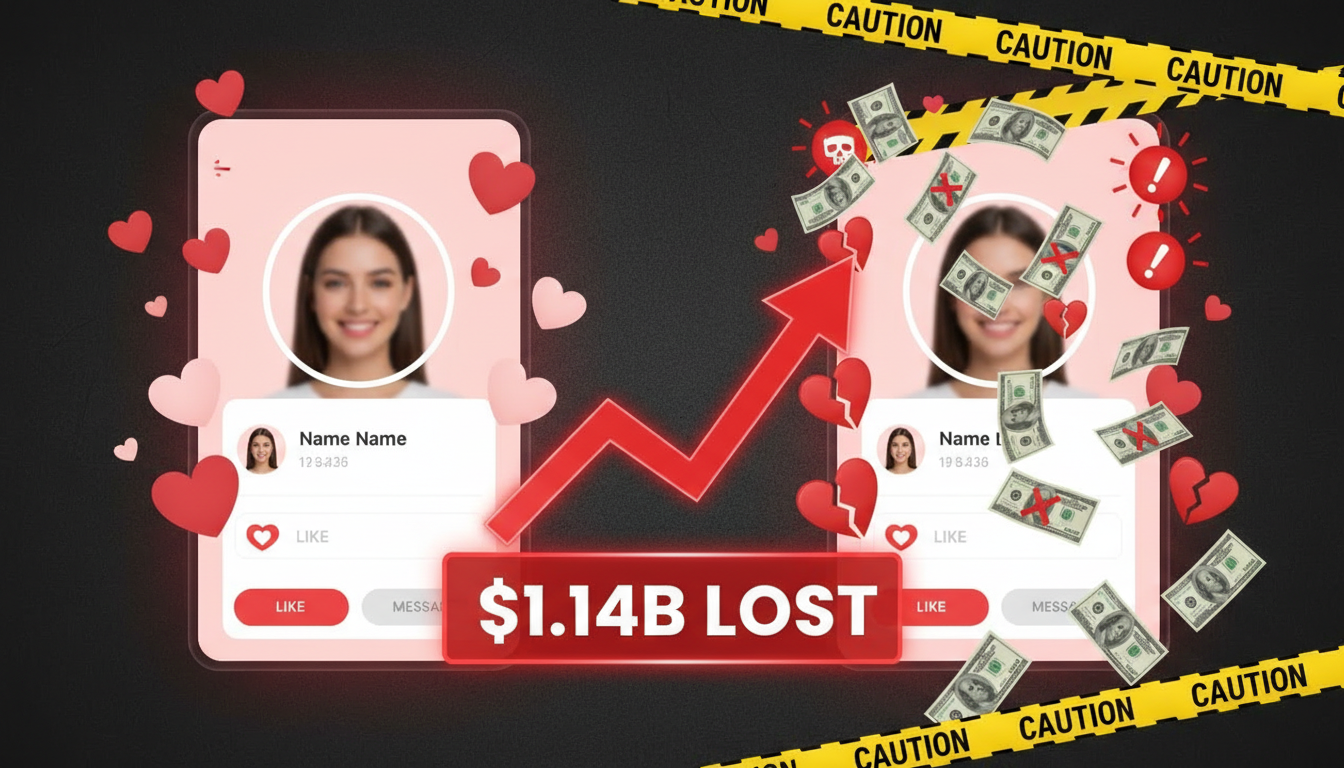
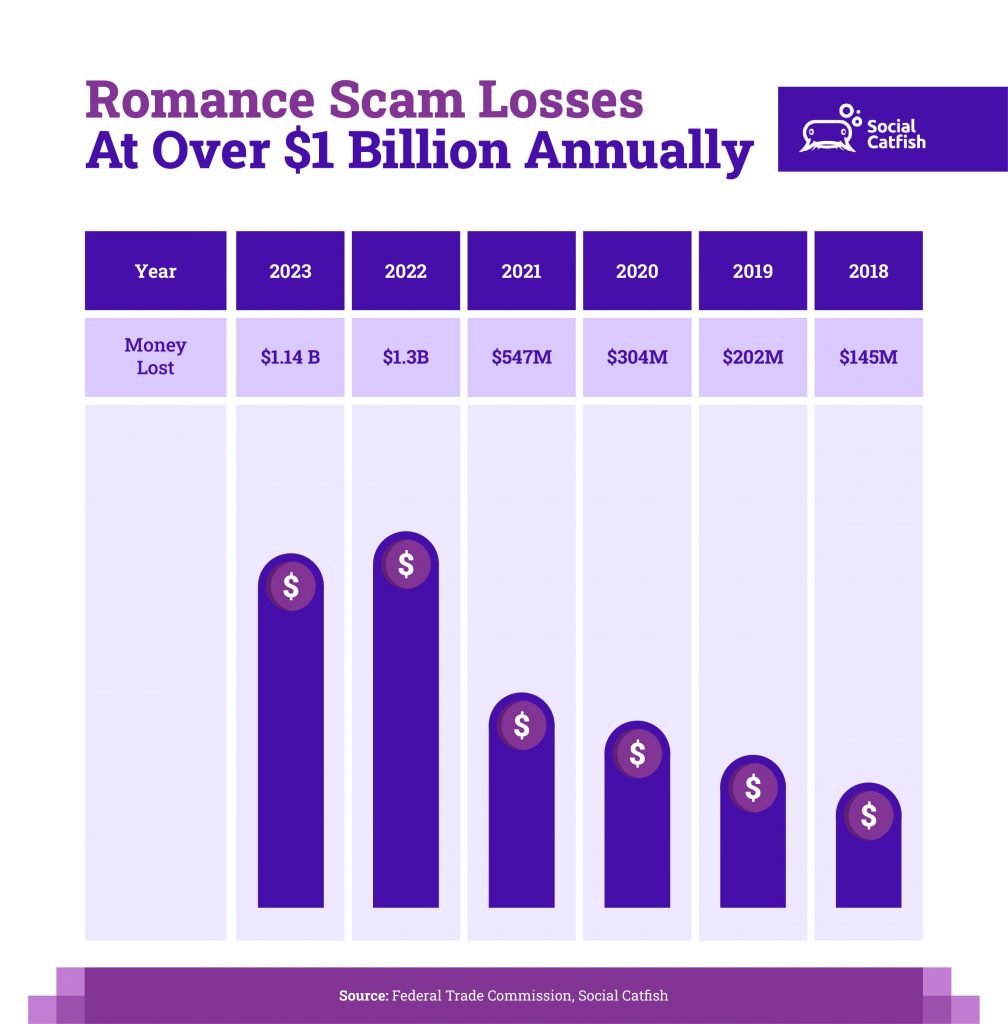
Americans lost a staggering $1.14 billion to romance scams last year according to data the Federal Trade Commission released in March. This marks the second year in a row Americans lost more than $1 billion.
Cryptocurrency was the No. 1 most common payment method accounting for 33% of all romance scams. Top threats and trends in 2024 are driven by technology and the employment of artificial intelligence such as deepfake videos.
The $1.14 billion lost last year is down slightly from the record $1.3 billion lost in 2022. While this represents a small victory in the fight against romance scams, this crisis and the associated financial and emotional devastation remains alarming and overwhelming.
Below we will break down the following:
- States that lost the most & least money to romance scams.
- Top threats in 2024 driven by Artificial Intelligence.
- Rise of celebrity romance scams.
- 100 most common photos used in romance scams in 2024.
- 5 Telltale Signs You Are Talking to a Romance Scammer.
- 7 Tips to avoid romance scams.
- 5 steps to take if you have been scammed.
Methodology
This study was released after analyzing the following:
- FBI Internet Crime Complaint Center Annual National Report (2023)
- FBI Internet Crime Complaint Center Annual State by State Report (2023)
- FTC annual Consumer Sentinel Network Data Book (2023)
- Data from 10 million Social Catfish users who performed a reverse image search (2024)
- Trends from recent episodes of Catfished, the hit YouTube show conducted by Social Catfish to help romance scam victims (2024)
States with the Most (and Least) Romance Scams
According to the FBI, California again ranks No. 1 for money lost to romance scams in 2023 with 2,024 victims losing $100.6 million. Florida moved up into the No. 2 spot losing $62.9 million, and Texas dropped from No. 2 to No. 3, losing $54.1 million. There are two new states in the top 10 in 2023 — Pennsylvania (No. 6, up from No. 14) and Georgia (No. 9, up from No. 17). Two states dropped out of the top 10 this year — Virginia (No. 13, down from No. 6) and Ohio (No. 12 down from No. 8).

Where the Average Loss Per Victim is Highest
In 2022, California was the state with the highest losses to romance scams per victim. However, in 2023 it dropped to 5th place, with four states catapulting ahead — Idaho, West Virginia, Oregon, and New Hampshire. Oregon, in particular, had worrying growth, with a 120% increase in money lost per victim. But the state with the highest increase in loss per romance scam victim was Maine, with 134% more money lost per person in 2023 than in 2022.

Which States Saw the Biggest Increase or Decrease Annually
Many small or medium-sized states tended to see the largest increase in money lost from 2022 to 2023. Vermont ranks No. 1 seeing a 171% increase, followed by Rhode Island (134.3% increase), and Oregon (134.2% increase).
Wyoming saw the No. 1 largest decrease for the second year in a row, with 71% less money lost in 2023 than in 2022. It was followed by Wisconsin (65% decrease) and Arkansas (61% decrease).

New Threats in 2024 Driven by Artificial Intelligence
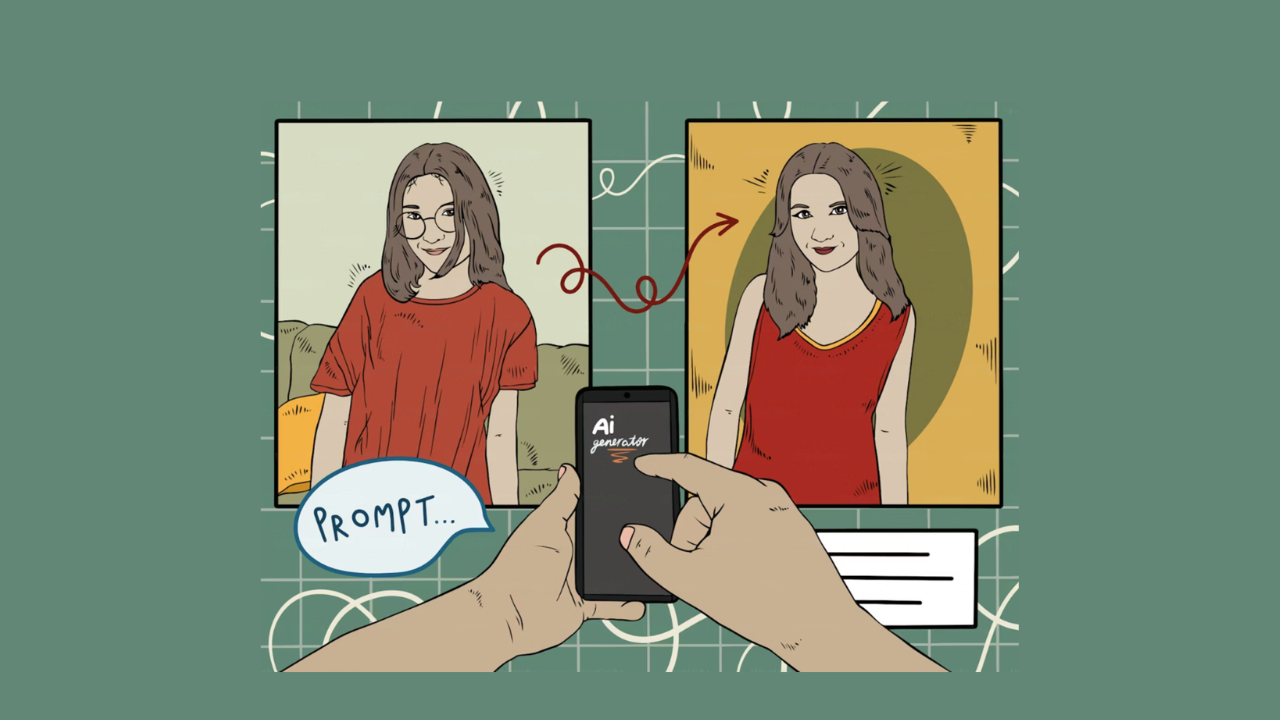
Romance scammers are increasingly conning victims using artificial intelligence to create fake photos and deepfake videos. Here are several examples:
- On a recent episode of Catfished: Presented by Social Catfish, a truck driver from New Mexico named Israel lost money in a romance scam. Social Catfish found the videos were fake as she has the exact same makeup and facial expression in every video.
- Prior to Kate Middleton’s public video discussing her health challenges, the Royal Family put out a photo to quell rumors of marital problems. The UK media began to speculate that the photo was AI generated. While there was no definitive proof of that, it speaks to the normalization of AI generated photos and videos globally.
- Fortune reported on A South Korean woman who lost $50,770 in a romance scam after she fell in love with a deepfake version of Elon Musk
- ABC reported about a Chicago victim named Jim and found the videos he received from a woman were deepfake due to unnatural eyes and her chin blending into her neck.
The rise of AI generated photos and videos is an enormous challenge in the fight against romance scams. It is critical to study the photos and videos very carefully to look for inconsistencies and errors that do not quite make sense.
Tips to Spot Deepfake Videos
- Unnatural blinking
- Same exact facial expression in every video
- Words not matching mouth movements
- Extra fingers
- Inconsistent skin tone on head and body
Rise in Celebrity Romance Scams
An increasing number of victims believe that celebrities have fallen in love with them, and as improbable as it may seem, these millionaires and billionaires also trick victims into sending them money. Here are several examples:
- Stranger Things Actor Dacre Montgomery: On a recent episode of Catfished: Presented by Social Catfish, a woman divorced her husband for a romance scammer pretending to be actor Dacre Montgomery from the hit Netflix series Stranger Things.
- Facebook CEO Mark Zuckerberg: On a recent episode of Catfished: Presented by Social Catfish, a Massachusetts woman sent $24,000 to a romance scammer using a fake Facebook profile of Mark Zuckerberg saying she won a $1 million Facebook lottery. After talking for months, he told her he was in love. He says he told his wife – Priscilla Chan – that he was leaving her and that she filed for divorce and froze his assets and needed money for lawyer fees.
- Secretary of NATO and Former Prime Minister of Norway: On a recent episode of Catfished: Presented by Social Catfish Sheila from Spokane, Washington lost $860,000 in a romance scam to a man purporting to be the Secretary of NATO and former Prime Minister of Norway Jens Stoltenberg.
- Kevin Costner: An Orlando woman who grew up having a crush on Kevin Costner was victimized by a scammer using AI deepfake videos to impersonate the famous actor.
- NBC Reporter: The TODAY show reported on a woman who thought she was speaking with NBC’s reporter Jacob Soboroff until he began asking her to send thousands of dollars.
There are countless other examples involving actors, politicians, musicians, athletes and business leaders. It is important for victims to remember that a rich and famous celebrity will never ask a stranger on the Internet for money. You can spot a fake celebrity profile by its small number of followers.
100 Most Common Photos Used in Romance Scams
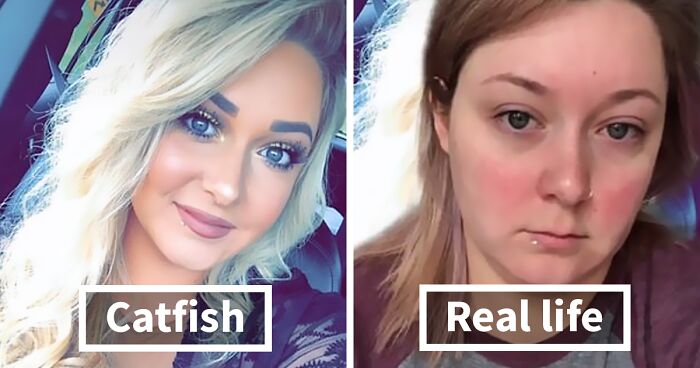
Romance scammers tend to use the same photos over and over again if they are successful. They may create hundreds of fake profiles using the same images across multiple social media and dating platforms.
To help people spot fake profiles, Social Catfish released the 100 most common photos used in romance scams in 2024 after analyzing data from 10 million users who performed a reverse image search on its platform. A reverse search allows you to verify someone online using their photo, email, phone, social media handle or address.
| 1 |  |
| 2 |  |
| 3 |  |
| 4 |  |
| 5 |  |
| 6 |  |
| 7 |  |
| 8 |  |
| 9 |  |
| 10 |  |
| 11 |  |
| 12 |  |
| 13 |  |
| 14 | 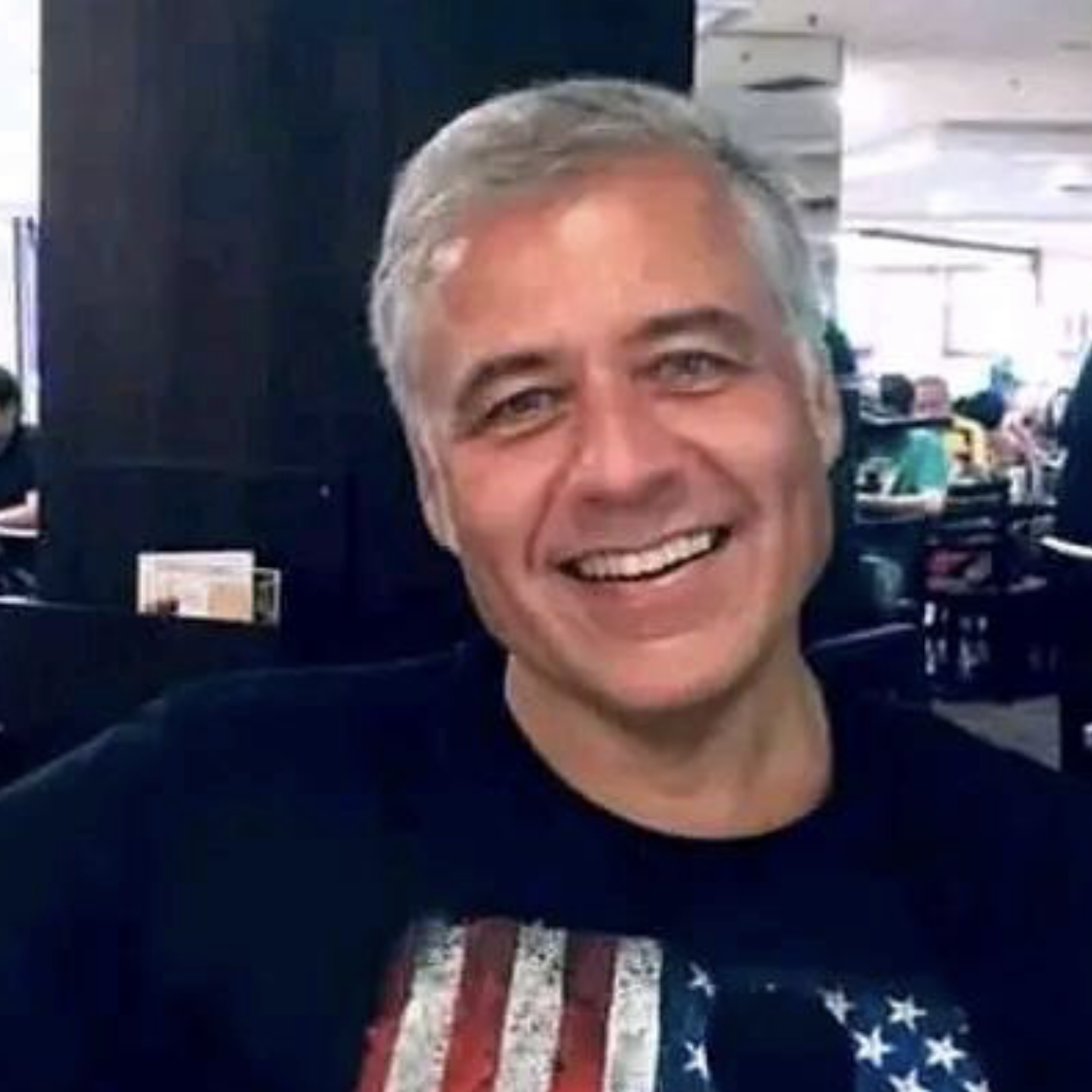 |
| 15 |  |
| 16 |  |
| 17 |  |
| 18 |  |
| 19 |  |
| 20 |  |
| 21 |  |
| 22 |  |
| 23 |  |
| 24 |  |
| 25 |  |
| 26 |  |
| 27 |  |
| 28 | 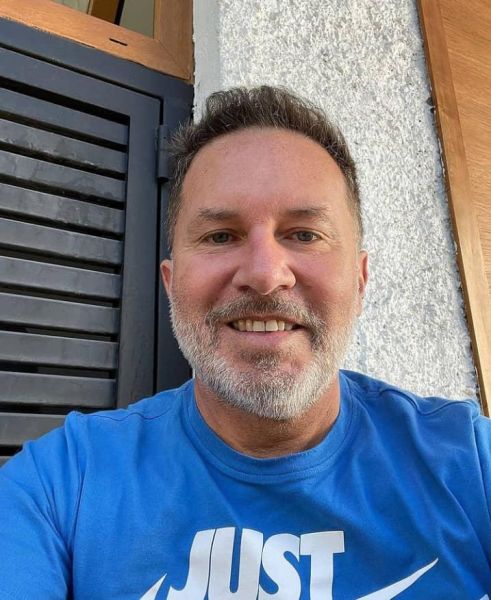 |
| 29 |  |
| 30 |  |
| 31 |  |
| 32 |  |
| 33 |  |
| 34 |  |
| 35 |  |
| 36 |  |
| 37 |  |
| 38 |  |
| 39 |  |
| 40 |  |
| 41 |  |
| 42 |  |
| 43 | 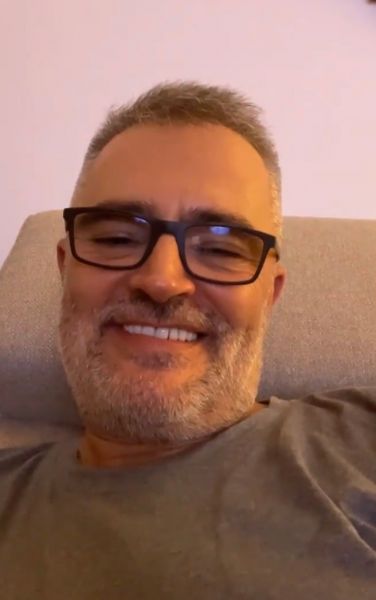 |
| 44 |  |
| 45 |  |
| 46 |  |
| 47 |  |
| 48 |  |
| 49 | 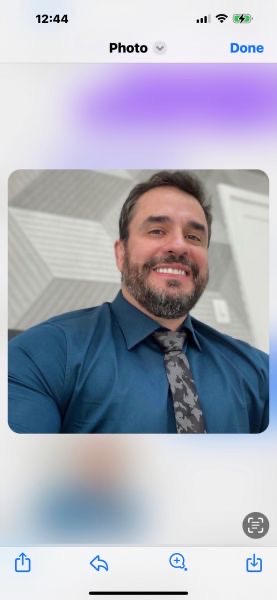 |
| 50 |  |
| 51 |  |
| 52 |  |
| 53 |  |
| 54 |  |
| 55 |  |
| 56 |  |
| 57 |  |
| 58 |  |
| 59 |  |
| 60 |  |
| 61 |  |
| 62 |  |
| 63 | 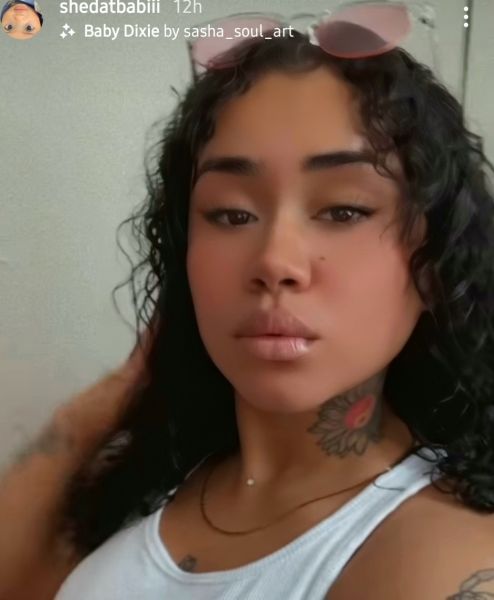 |
| 64 |  |
| 65 |  |
| 66 |  |
| 67 |  |
| 68 |  |
| 69 |  |
| 70 |  |
| 71 |  |
| 72 |  |
| 73 |  |
| 74 | 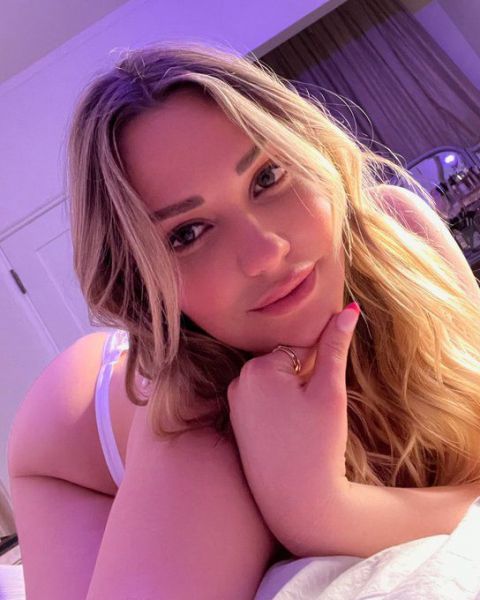 |
| 75 |  |
| 76 |  |
| 77 |  |
| 78 |  |
| 79 |  |
| 80 |  |
| 81 |  |
| 82 |  |
| 83 |  |
| 84 |  |
| 85 |  |
| 86 |  |
| 87 |  |
| 88 |  |
| 89 |  |
| 90 |  |
| 91 |  |
| 92 |  |
| 93 |  |
| 94 |  |
| 95 |  |
| 96 |  |
| 97 |  |
| 98 |  |
| 99 |  |
| 100 |  |
Crypto is the No. 1 Payment Method in Romance Scams
One of the most telling signs that you are talking to a romance scammer can be the form of payment they request. The most common method of payment used in romance scams is cryptocurrency – accounting for 33% of all scams.
In these cases, a scammer gets the victim to fall in love and then tells them about a “can’t lose” investment opportunity. The victim sends money in Crypto for a supposed investment but never sees the money again.
Sometimes the victim simply creates a run of the mill romance scammer “emergency” – like a medical emergency – but instructs the victim to send payment using crypto.

5 Telltale Signs You Are Being Scammed
- They ask to paid in crypto or gift cards
- They are rich and famous
- Will meet or video chat
- They cannot meet because the serve in the military
- They use poor grammar
7 Tips to Avoid Romance Scams
- Perform a reverse image search to confirm their true identity.
- Review this leaked Nigerian scammer training manual to learn to spot scams.
- Never send money to anyone you meet online.
- If they won’t video chat it’s a scam. If they do, look for AI glitches.
- Join the Facebook group SCF Seekers – a romance scam prevention community.
- Never invest without speaking to a third party financial planning professional.
- Be cautious when someone professes their love for you quickly.
5 Steps to Take If You Have Been Scammed
- Report the scam to local law enforcement, the FTC and the FBI IC3.
- Stop communicating with the scammer and block them on all platforms.
- Protect your online identity, change passwords and enable two-factor authentication
- Monitor your bank accounts and credit cards for any unusual activity.
- Do not be ashamed, you are not alone, seek help from your family, friends and a mental health professional counselor.